TL;DR: SEO Tools for Bootstrapped Founders: Free & Affordable Stack
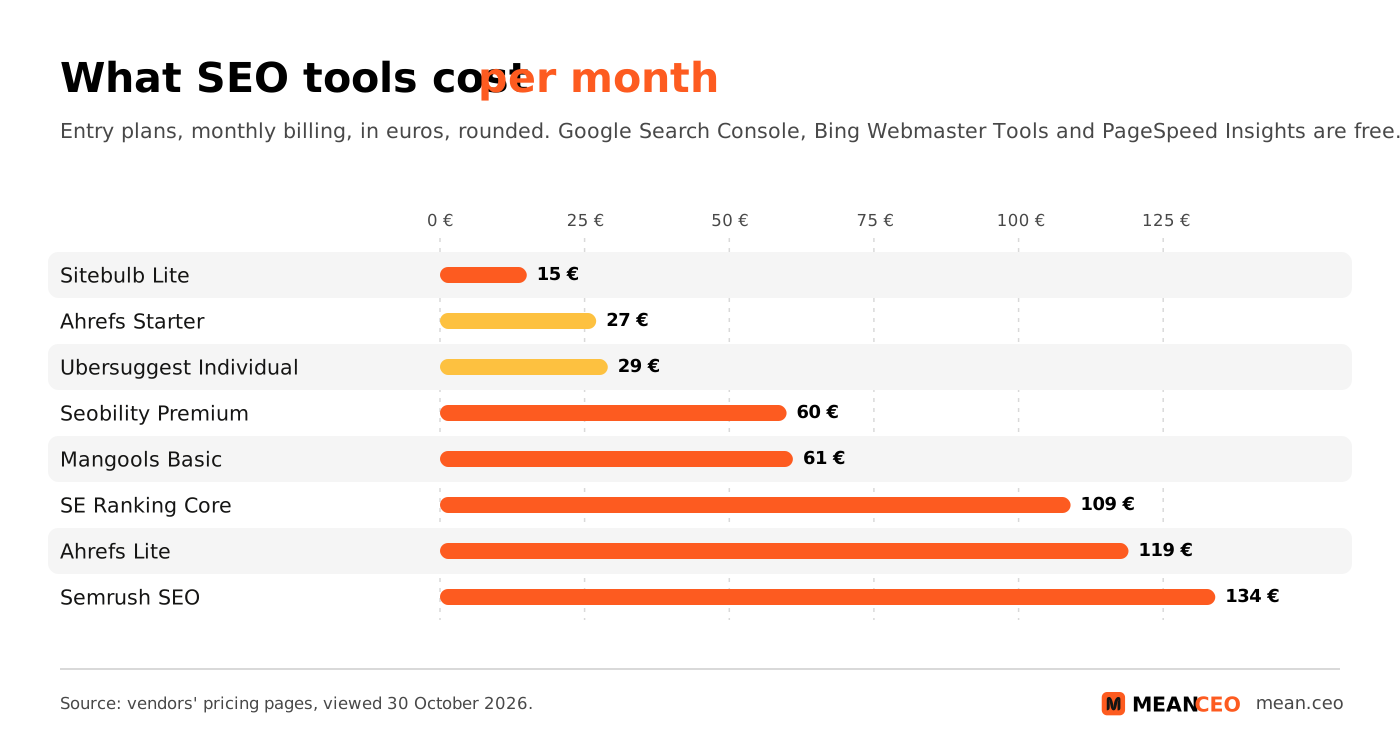
You can run serious SEO on a €0 budget: Google Search Console, Bing Webmaster Tools, Ahrefs’ free plan for verified sites, PageSpeed Insights and the free Screaming Frog crawler cover indexing, queries, audits and speed. Pay for one keyword tool only when the free data stops answering your questions: Ahrefs Starter costs €27 a month, Ubersuggest €29 and Mangools €61 (€37.70 a month billed yearly), while full suites such as Ahrefs Lite (€119) or Semrush’s SEO plan (€134) can wait. Check Search Console before trusting any rank tracker, and keep every WordPress SEO plugin updated.
💡 Curious about alternative organic growth routes? Dive into Building Organic Traffic Without Backlinks to explore more practical strategies for expanding your startup’s reach.
SEO Tools for Bootstrapped Founders: Free & Affordable Stack
Optimizing searchability without draining your budget is a hurdle every startup faces. But for bootstrapped founders like me, it’s non-negotiable. Mastering SEO can transform your visibility, customer acquisition, and scalability. In this guide, we’ll go through the free and affordable SEO tools worth your time, what each one costs, how to combine them for European markets and when it’s worth paying for more.
96.55% of pages get no traffic from Google at all, according to Ahrefs’ 2023 study of about 14 billion pages. The right free tools tell you early whether yours are among them.
Boost Your SEO by Getting Featured in Our Blogs and get a backlink.
We publish content about startups, education, tech, funding, etc. that ranks well not only in Google but also in Perplexity, ChatGPT, Grok and other AI tools.
👉 Get featured now!
Why Free and Cheap SEO Tools Matter Now
European startups face unique funding challenges. EU-level grants help but navigating these is tedious, pushing founders to bootstrap instead. SEO tools, even free ones, let resource-constrained founders get found without hiring large teams or spending heavily on paid advertising. A strong SEO strategy brings higher-quality traffic from keywords with buyer intent, and it keeps working after you stop paying for it.
The free tools cover more than most founders think. Google and Bing together handled about 94% of searches in Europe in September 2026 (Google 88.97%, Bing 5.34%, according to Statcounter), and both give site owners their own search data for free, through Google Search Console and Bing Webmaster Tools. Read more about how to use Google Search Console for Startups to measure the metrics that matter.
Top Tools Recommendation: Free and Affordable Options
- Google Search Console (free): Shows the queries you appear for, clicks, impressions, click-through rate and average position, which pages are indexed and why others aren’t, and your Core Web Vitals. It keeps 16 months of performance data.
- Bing Webmaster Tools (free): Bing’s version, with keyword research, a site scan, backlink data and IndexNow. Since February 2026 its AI Performance report shows when Microsoft Copilot and Bing’s AI summaries cite your pages.
- Ahrefs Free (free for verified sites): Formerly Ahrefs Webmaster Tools. Site Audit (5,000 crawl credits per project a month) plus Site Explorer data on your own backlinks and keywords, for any site you verify. Starter adds keyword research for €27 a month.
- PageSpeed Insights (free): Runs Lighthouse lab tests and shows real-user Core Web Vitals data for a page. Lighthouse isn’t part of Search Console; you run it here or in Chrome DevTools.
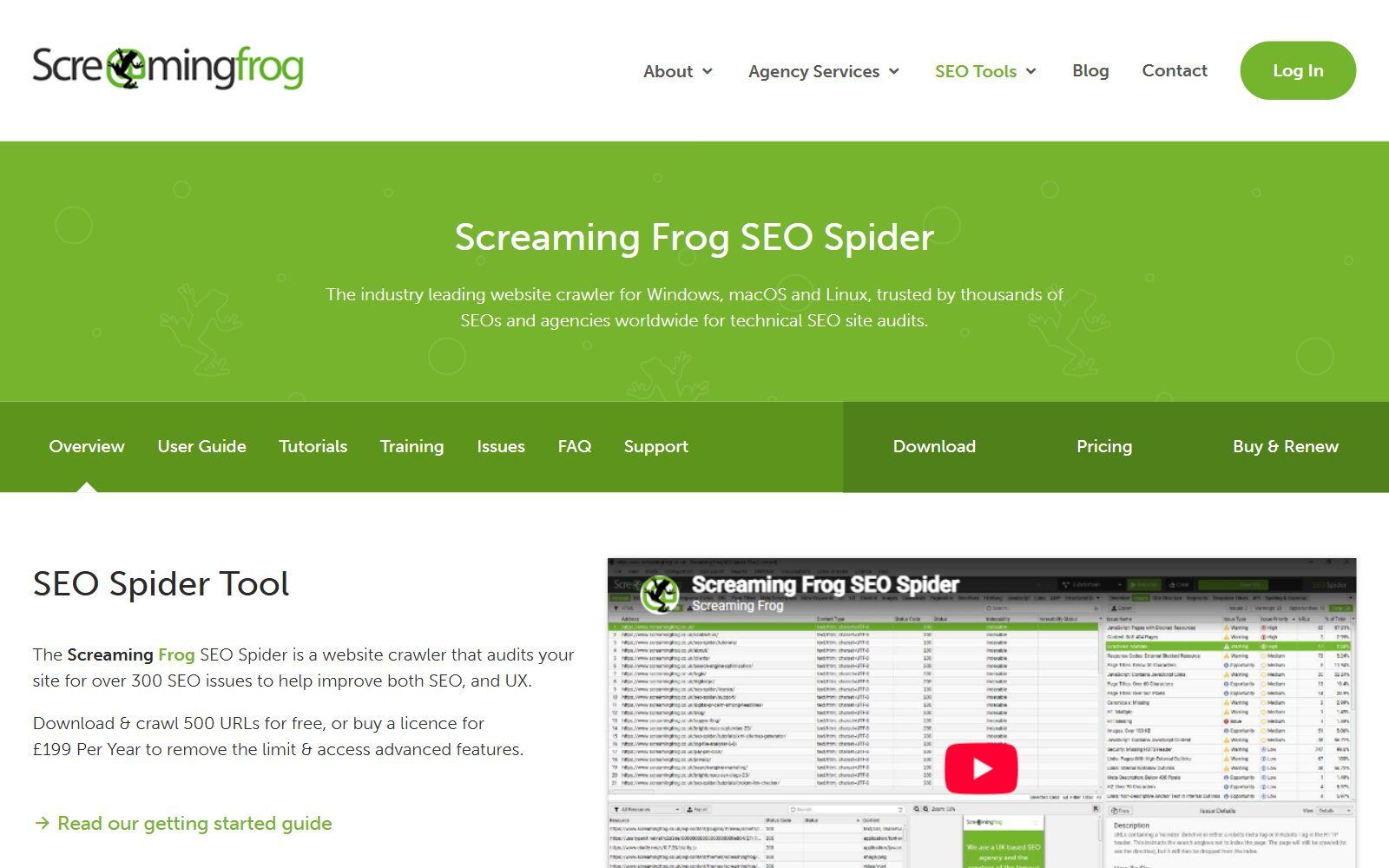
- Screaming Frog SEO Spider: Free for up to 500 URLs per crawl; a licence to crawl more costs £199 (€245) a year. The standard desktop crawler for finding broken links, redirects and missing titles.
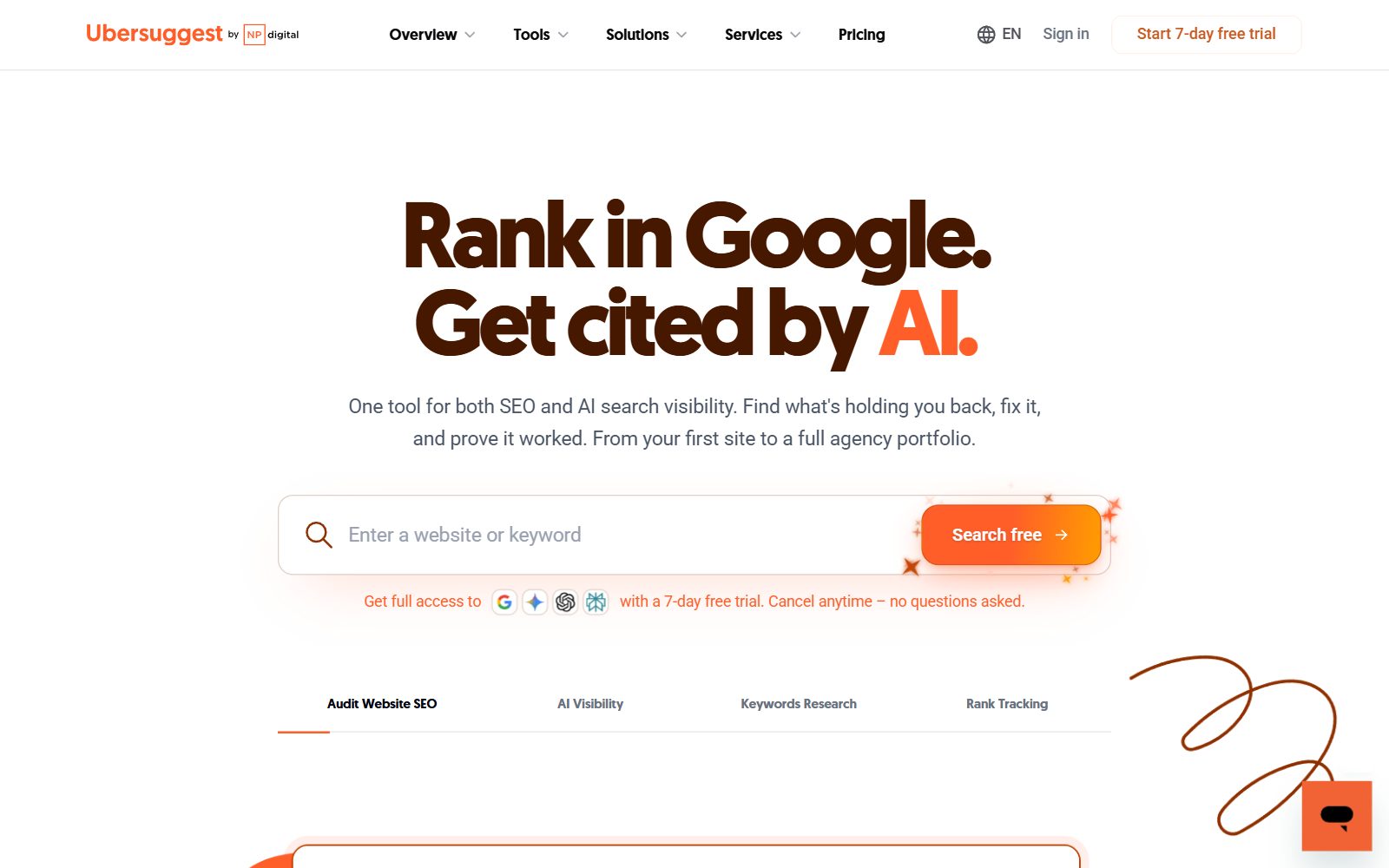
- Ubersuggest: Keyword ideas, search volumes and a site audit. The Individual plan costs €29 a month (150 searches a day) or €290 once for lifetime access, and there’s a free trial.
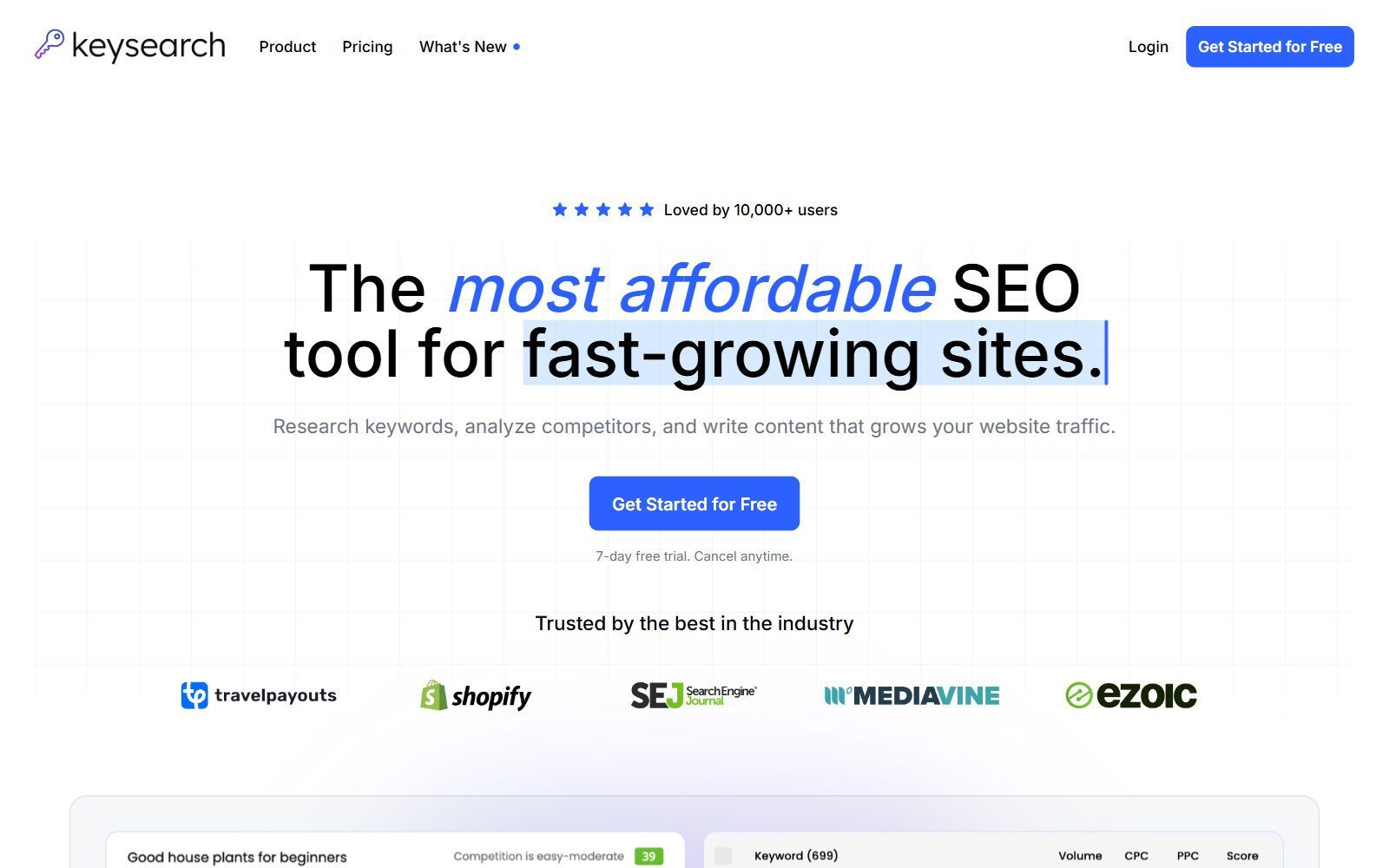
- Keysearch: A low-cost keyword tool for small blogs and niche sites; Starter costs US$24 a month.
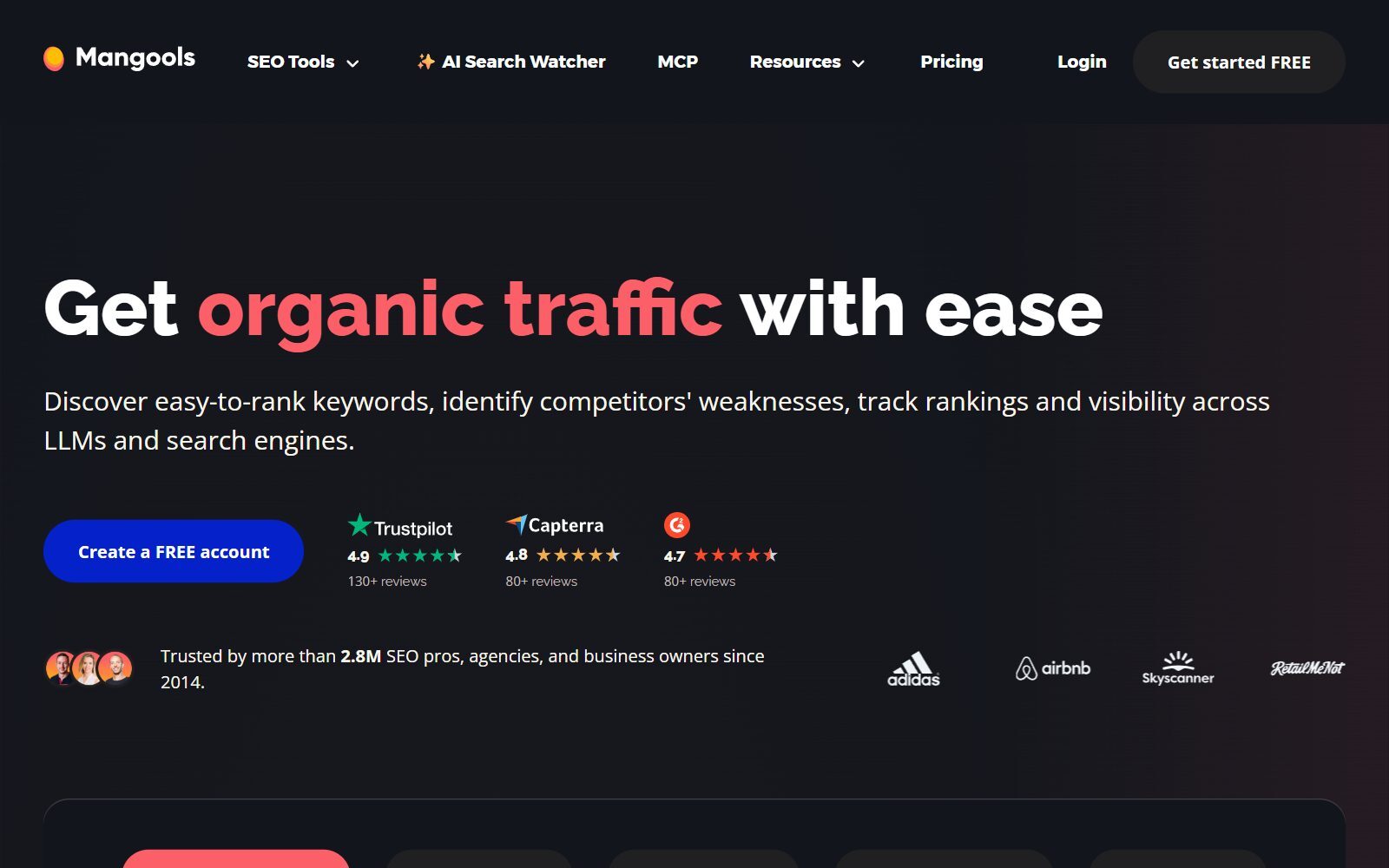
- Mangools: Built in Bratislava, Slovakia: KWFinder, SERPChecker, SERPWatcher, LinkMiner and SiteProfiler in one subscription. Basic costs €61 a month, or €37.70 a month billed yearly.
- Rank Math or Yoast SEO (WordPress): Free plugins that handle titles, meta descriptions, sitemaps and basic structured data. Rank Math Pro and Yoast SEO Premium (€118.80 a year plus VAT) add more, but the free versions are enough to start. One warning: copies of Rank Math PRO 3.0.123 downloaded on 15 and 16 October 2026 contained malware, so read our Rank Math PRO malware guide if you use the paid version.
The Free and Affordable SEO Stack at a Glance
Here’s what each tool is best at, what you get for free and what the cheapest paid plan costs:
Prices from each vendor’s pricing page, viewed from Europe on 30 October 2026, monthly billing unless stated, before VAT where the vendor shows it that way. Annual billing is cheaper (Mangools about 35%, Ahrefs up to 17%), and Keysearch lists prices in US dollars.
How Bootstrapped Startups Leverage SEO Right
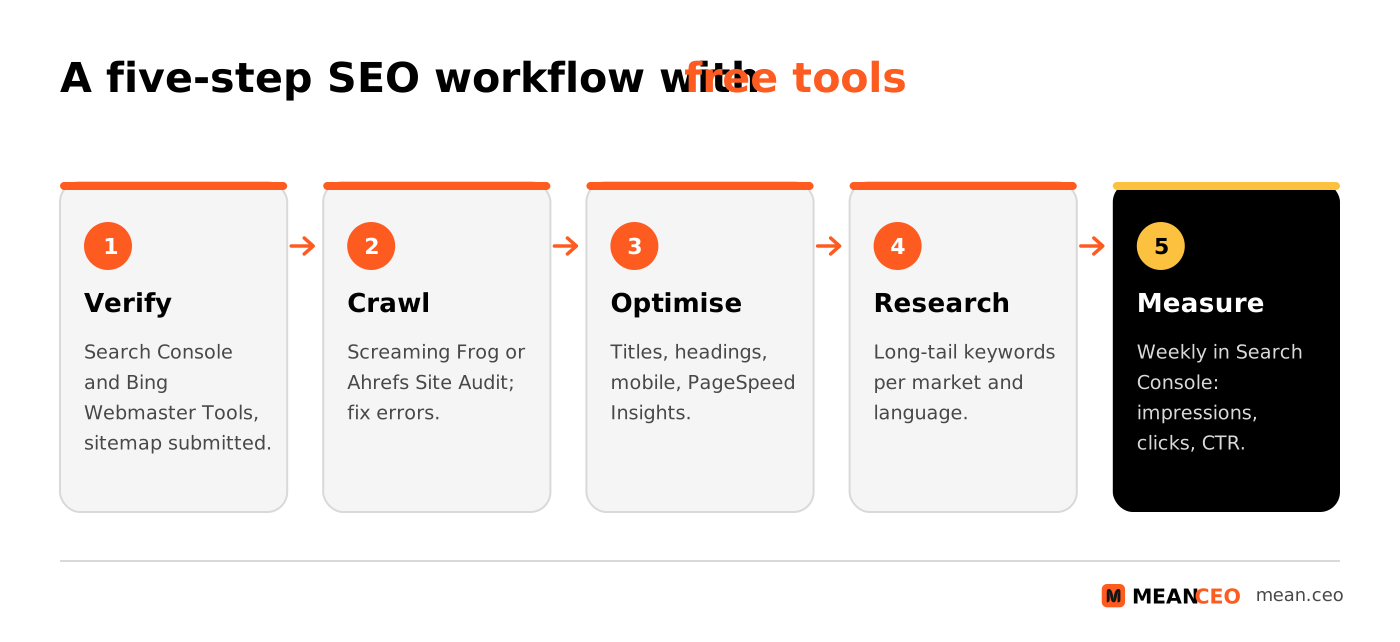
Leverage entry-point tools that prioritize immediate wins. Start with user-friendly platforms before expanding budgets or strategies. For example, bootstrapped startups actively integrate SEO metrics into growth frameworks using SEO Analytics for Non-Marketers as a structured guide. Here's the process:
- Step 1: Verify your site in Google Search Console and Bing Webmaster Tools, and submit your sitemap.
- Step 2: Run a crawl with Screaming Frog (free up to 500 URLs) or Ahrefs’ free Site Audit, and fix broken links, missing titles and pages blocked from indexing.
- Step 3: Optimize on-page basics: titles, meta descriptions, headings and mobile layout. Check speed and Core Web Vitals in PageSpeed Insights.
- Step 4: Research long-tail keywords with Search Console, Google Keyword Planner and one keyword tool such as Ubersuggest, Keysearch or Mangools, and match them to local search habits in each European market you target.
- Step 5: Publish, link new pages to related ones and check Search Console weekly for queries with many impressions and few clicks.
For keyword research in small markets, our guide to keyword research for niche startup markets shows how to find terms worth targeting.
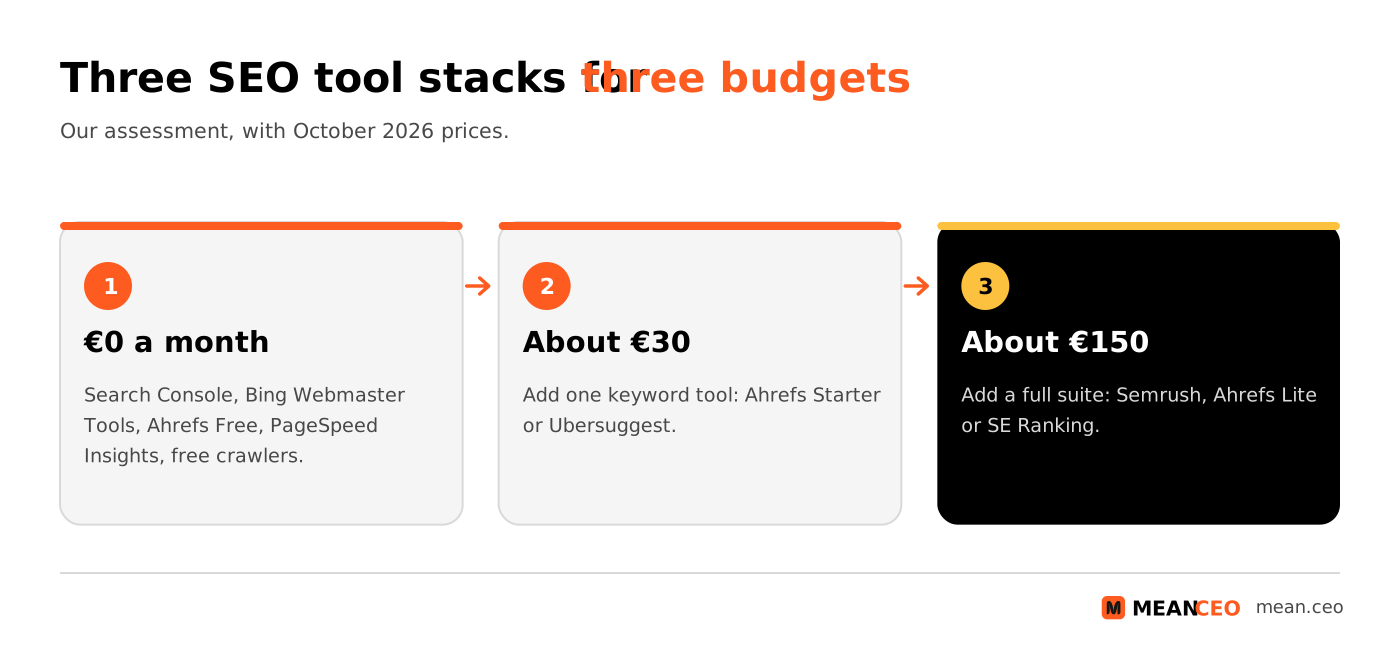
A €0, €30 and €150 a Month Stack
Most founders don’t need every tool. Pick the row that matches your budget and stage:
Source: our assessment, with prices from the vendors’ pricing pages (October 2026). Move up a row only when you can name a question the cheaper stack can’t answer.
Common Mistakes Founders Make with SEO Tools
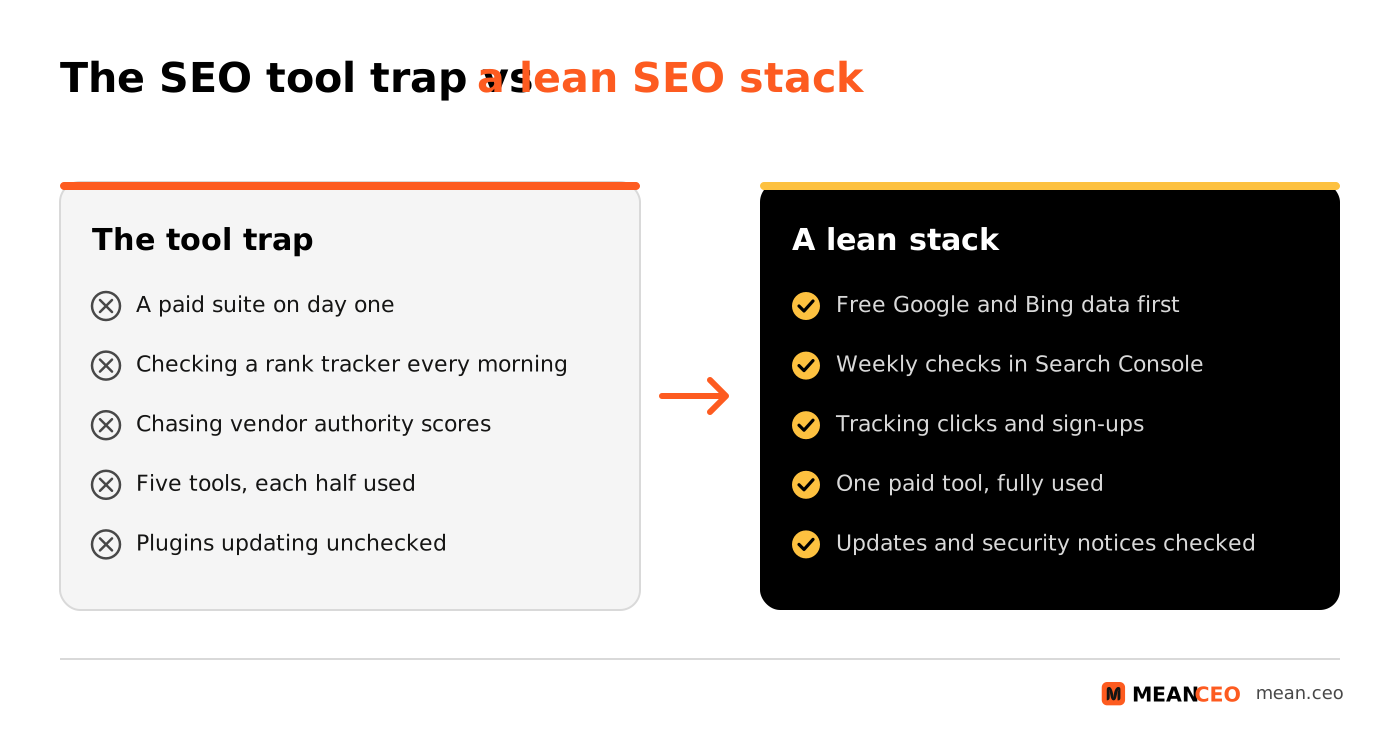
While building out optimized startup pages, founders often neglect technical SEO fixes and spend money on tools they barely open. Here’s what to avoid:
- Ignoring keyword localization: European users search differently; a direct translation of your English keywords often misses how people in each country actually phrase things.
- Underestimating site architecture: Poor navigation and orphan pages hold rankings back. Crawlers such as Screaming Frog or Sitebulb reveal architecture flaws.
- Not validating content intent: Ranking pages that don’t match what searchers want wastes resources.
- Paying for a suite before using the free data: Search Console and Bing Webmaster Tools show your real queries; most paid tools estimate them.
- Trusting a rank tracker over Search Console: Since September 2026 Google has been feeding some rank trackers fake results pages, so a sudden “drop” may never have happened. Our report on poisoned Google SERPs and rank trackers explains how to check.
- Treating vendor scores as Google scores: Domain Authority (Moz), Domain Rating (Ahrefs) and Authority Score (Semrush) are each vendor’s own estimates. Google doesn’t use them.
- Forgetting plugin security: SEO plugins run with full access to your site. Keep them updated and watch vendor security notices.
Guides like our Technical SEO Audit Checklist make audits less intimidating and reveal quick mobile fixes. For the full list of checks, see the technical SEO checklist for startup websites.
What Bootstrapping Teaches About SEO Tools
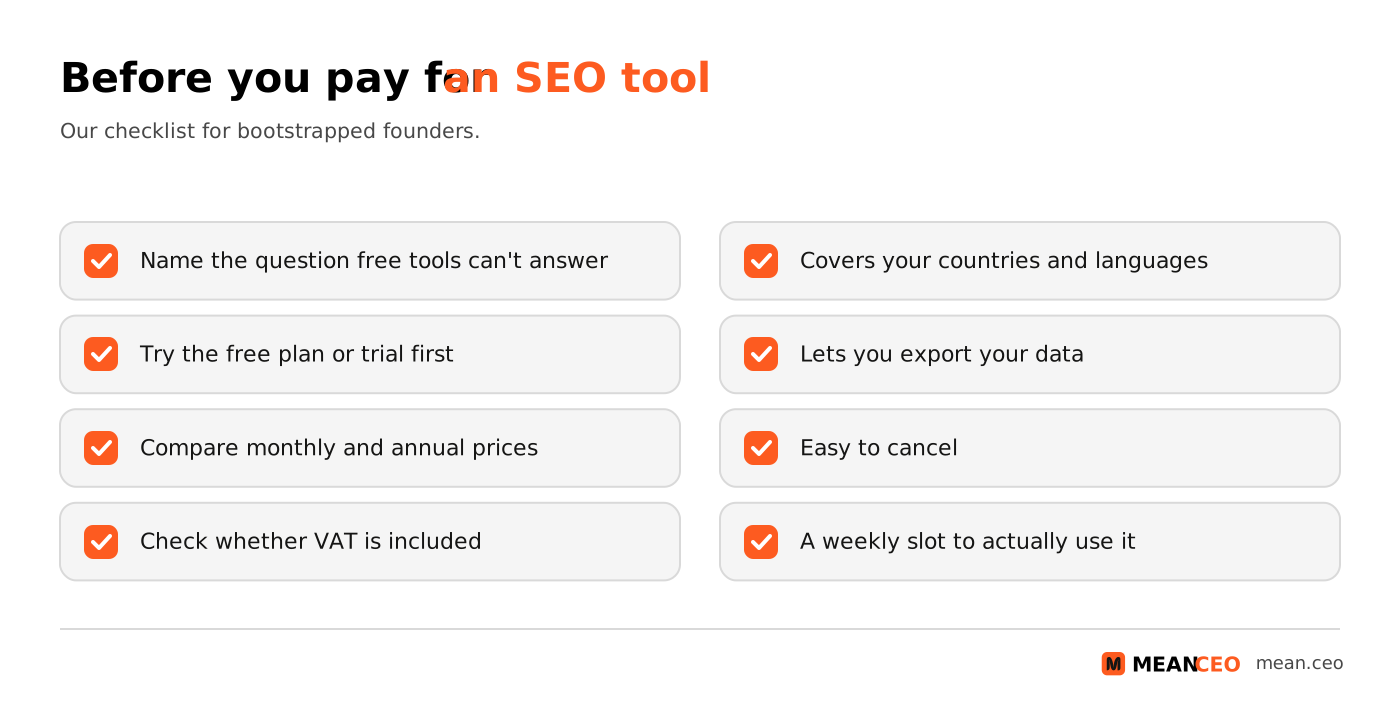
Bootstrapping forces budget discipline, and that’s good for SEO. In my ventures the rule is simple: a paid tool has to answer a question the free data can’t, and someone has to open it every week. Free data from Google and Bing tells you what is already happening on your site; paid tools mostly help you see what competitors do and which keywords you don’t rank for yet. AI assistants now cover part of that gap too; see our AI SEO Integration Guide.
When to Upgrade to a Paid SEO Suite
Upgrading is worth it when you hit a limit you can name. These are the most common signals:
Source: our assessment. Running SEO for clients? Our list of white label SEO audit tools compares tools built for agencies.
Final Thoughts: Why SEO Wins for Bootstrap Scale
SEO keeps paying once the groundwork is done. Compare this strategic positioning with related outreaches like Building Organic Traffic Without Backlinks, and if you want a realistic timeline, read from 0 to 10K monthly organic visitors. For bootstrapped startups, every traffic win that doesn’t cost ad money buys runway, and a lean tool stack keeps it that way.
Are you getting customers from ChatGPT yet?
More and more traffic is coming from Perplexity, ChatGPT, Grok and other AI tools.
👉 Rank on ChatGPT
People Also Ask:
Is SEO dead or evolving in 2026?
SEO is evolving, not dying. People get answers from AI Overviews, AI Mode and chat assistants as well as from blue links, and those answers are built from web pages. Search intent, helpful content, local relevance and solid technical basics matter as much as ever. Founders who focus on useful pages, fast sites and their own Search Console data stay competitive.
What are basic SEO tools?
The basics are free: Google Search Console for indexing and queries, Bing Webmaster Tools for Bing and Copilot, Google Analytics for traffic and conversions, PageSpeed Insights for speed and an SEO plugin such as Yoast or Rank Math if you use WordPress. Add a keyword tool such as Ubersuggest, Keysearch or Mangools when you research every week, and Semrush or Ahrefs when you need competitor data. Most paid tools have a free plan or a trial, so test them on your own site before you subscribe.
What are the 3 C's of SEO?
There’s no official definition, but a common version is content, code and credibility. Content means pages that answer what people search for; code is the technical side, such as crawlable pages, speed and mobile layout; credibility comes from links, reviews, real authors and accurate facts. Other versions use content, context and competition. Treat it as a memory aid, not a Google rule.
What is the 80/20 rule for SEO?
The 80/20 rule is the Pareto principle applied to SEO: a small share of your work and pages usually brings most of the results. It’s a rule of thumb, not a fixed ratio. For bootstrapped founders, this means prioritizing high-impact work like evergreen content, page speed, refreshing the pages that already get impressions and earning links from trusted sources, rather than spreading resources too thin.
What SEO tools are ideal for bootstrapped female founders in 2026?
The same tools as any bootstrapped founder: Google Search Console, Bing Webmaster Tools and Google Analytics for free data, Screaming Frog or Ahrefs’ free Site Audit for audits, and one affordable keyword tool such as Ubersuggest, Keysearch or Mangools. Canva and an email tool such as Mailchimp aren’t SEO tools, but they help you turn ranking content into visuals and newsletters.
Why is local SEO essential for bootstrapped founders?
Local SEO connects businesses to nearby customers who are ready to buy. Founders can improve local visibility by completing their free Google Business Profile (formerly Google My Business), using local keywords in their own language, keeping name, address and phone details consistent and asking happy customers for reviews. A strong local presence builds trust and repeat business without a big marketing budget. Our guide to local SEO for service-based startups in Europe has the details.
Which metrics matter most for SEO in 2026?
Track the numbers Google and Bing give you for free: clicks, impressions, click-through rate, average position and indexed pages in Search Console, plus organic sign-ups or sales in your analytics. Core Web Vitals show whether pages load and respond fast enough. Vendor scores such as Moz’s Domain Authority or Ahrefs’ Domain Rating are useful for comparing sites, but Google doesn’t use them.
How does voice search impact SEO strategies?
Voice assistants read answers from regular search results and business listings, so voice search rewards the same work: clear question-and-answer sections, conversational long-tail phrases and, for local businesses, a complete Google Business Profile. There’s no separate voice ranking tool or special markup a small site needs.
Can bootstrapped startups succeed without paid tools?
Yes, at least at the start. Search Console, Bing Webmaster Tools, Ahrefs’ free plan, PageSpeed Insights and the free Screaming Frog crawl cover indexing, queries, audits and speed. What free tools can’t show well is competitors’ keywords and links; when that becomes your bottleneck, one paid tool on its entry plan is usually enough.
FAQ About Free and Affordable SEO Tools for Bootstrapped Founders
What should bootstrapped founders prioritize when selecting SEO tools?
Bootstrapped founders should prioritize tools with free or affordable pricing tiers and essential features like keyword research, traffic analysis, and site audits. Efficient stacks like Google Search Console combined with RankMath can deliver comprehensive insights without significant financial investments. Check out Google Keyword Planner vs Ahrefs guide.
What keyword strategy works best for SEO on a budget?
Focus on long-tail keyword research using tools like Ubersuggest or Keysearch that offer real data at reasonable costs. Incorporating localized and intent-driven keywords can improve rankings quickly and target quality traffic. Learn about using AI for keyword clustering here.
Why is Google Search Console indispensable for bootstrapped startups?
Google Search Console gives site performance data directly from Google, including the queries you appear for, clicks, average positions, indexing issues and Core Web Vitals. It keeps 16 months of performance data, so you can compare the same months year on year. For startups, its zero cost and first-hand data make it the foundation of any SEO process.
Should you switch tools as your startup scales?
As SEO needs expand, add paid tools like Semrush, Ahrefs or SE Ranking for competitor research and rank tracking. However, check that the cheaper tools have really hit their limits before upgrading, and upgrade one tool at a time.
What are some SEO mistakes founders commonly make with tools?
Common errors include neglecting mobile optimization, ignoring site architecture and targeting overly broad keywords. Technical audit tools like Screaming Frog or Ahrefs’ free Site Audit help you find gaps. Avoid tools that don’t match your current SEO goals, and don’t trust a rank tracker’s sudden drop before checking Search Console.
How do AI-powered tools integrate with affordable SEO stacks?
AI-powered tools like Claude Code and Frase complement existing stacks by automating workflows like keyword clustering and content optimization. They’re useful for scaling output without dramatically raising costs. Non-technical founders benefit most when workflows are validated.
Which SEO tool combinations are ideal for startups targeting Europe?
For European users, combine Google Search Console and Bing Webmaster Tools with a keyword tool that shows data per country and language, such as Mangools, Semrush or SE Ranking. On WordPress, Rank Math or Yoast handle titles and basic structured data, but translations and hreflang tags need a multilingual plugin such as WPML or Polylang. Our guide to SEO for European B2B SaaS startups covers multi-country setups.
How can bootstrapped startups measure SEO success without paid analytics?
Track goals through free tools like Google Analytics 4 and Google Search Console to measure traffic, conversions, and user engagement. Focus on keyword rankings and CTRs for a cost-free performance overview.
What is the role of Schema in affordable SEO planning?
Structured data (schema) helps search engines understand your pages and can make them eligible for rich results such as product, review or event details. Google stopped showing FAQ rich results for all sites on 7 May 2026, and HowTo rich results in 2023, so FAQ markup no longer earns extra space in results. Free plugins such as Rank Math or Yoast add basic Article and Organization markup automatically, which is enough for most startups; add Product or LocalBusiness markup only where it fits.
How do you validate SEO tools before long-term commitment?
Start with the free plan or trial, use the tool on a real task for your own site and compare its numbers with Search Console. SE Ranking, Sitebulb and Seobility offer 14-day free trials, Ubersuggest has a free trial and Semrush’s free plan allows 10 reports a day. Keep a tool only if it saved you time or showed you something the free data couldn’t, and prefer monthly billing until you’re sure.
About the Author
Violetta Bonenkamp, also known as MeanCEO, is an experienced startup founder with an impressive educational background including an MBA and four other higher education degrees. She has over 20 years of work experience across multiple countries, including 5 years as a solopreneur and serial entrepreneur. Throughout her startup experience she has applied for multiple startup grants at the EU level, in the Netherlands and Malta, and her startups received quite a few of those. She’s been living, studying and working in many countries around the globe and her extensive multicultural experience has influenced her immensely.
