TL;DR: Startup Tool Stack: Essential SaaS for Operations (2026)
The right SaaS tools can unlock efficiency and scalability for startups in 2026. Founders should prioritize tools that match their revenue stage, simplify operations, and eliminate redundant processes. Focus on categories like project management (Bitrix24), payment platforms (Stripe), CRMs (HubSpot), and marketing automation (ActiveCampaign). Over-investing in tools at early stages often leads to wasted budgets and complexity. Start with free or low-cost tiers before scaling with paid solutions.
💡 Looking to scale from a small team to 50 employees? Check out the Startup Operations Manual: Systems for Scaling for actionable insights on streamlined growth.
Startup Tool Stack: Essential SaaS for Operations (2026)
Startup success in Europe stems from a solid operational foundation, and in 2026, tools play a starring role in simplifying workflows and boosting efficiency. SaaS (Software as a Service) platforms specifically tailored for startups address issues like project management, payment handling, customer relationship building, and marketing automation. As a bootstrapping serial entrepreneur, I've always believed in leveraging the right tools early on to save time and unlock potential.
But here's what is counterintuitive: founders often drown in tools rather than streamline processes. You don’t need all the bells and whistles, especially as a woman navigating the European startup ecosystem. Focus on tools that fit your revenue stage, reduce complexity, and help scale efficiently. This guide dissects the SaaS essentials every lean startup team needs in 2026.
By 2026, startups with optimized tool stacks achieve operational savings of up to 45%, while boosting employee productivity by 50%.
As someone who’s bootstrapped multiple ventures like Fe/male Switch, my experience has shown me which tools add value and which ones simply waste money on unused features. Let’s align our understanding of efficiency, systems, and execution for startup operations.
Are you ready to automate your startup workflows?
Save hours weekly by choosing the right SaaS stack for lean startup success.
👉 Discover essential automation workflows
What SaaS Tools Should a Lean Startup Use First?
While every founder’s operational challenges differ, there’s a universal starting point: build systems that handle repetitive tasks, give visibility into cash flow, and enable scalable collaboration. Core categories include:
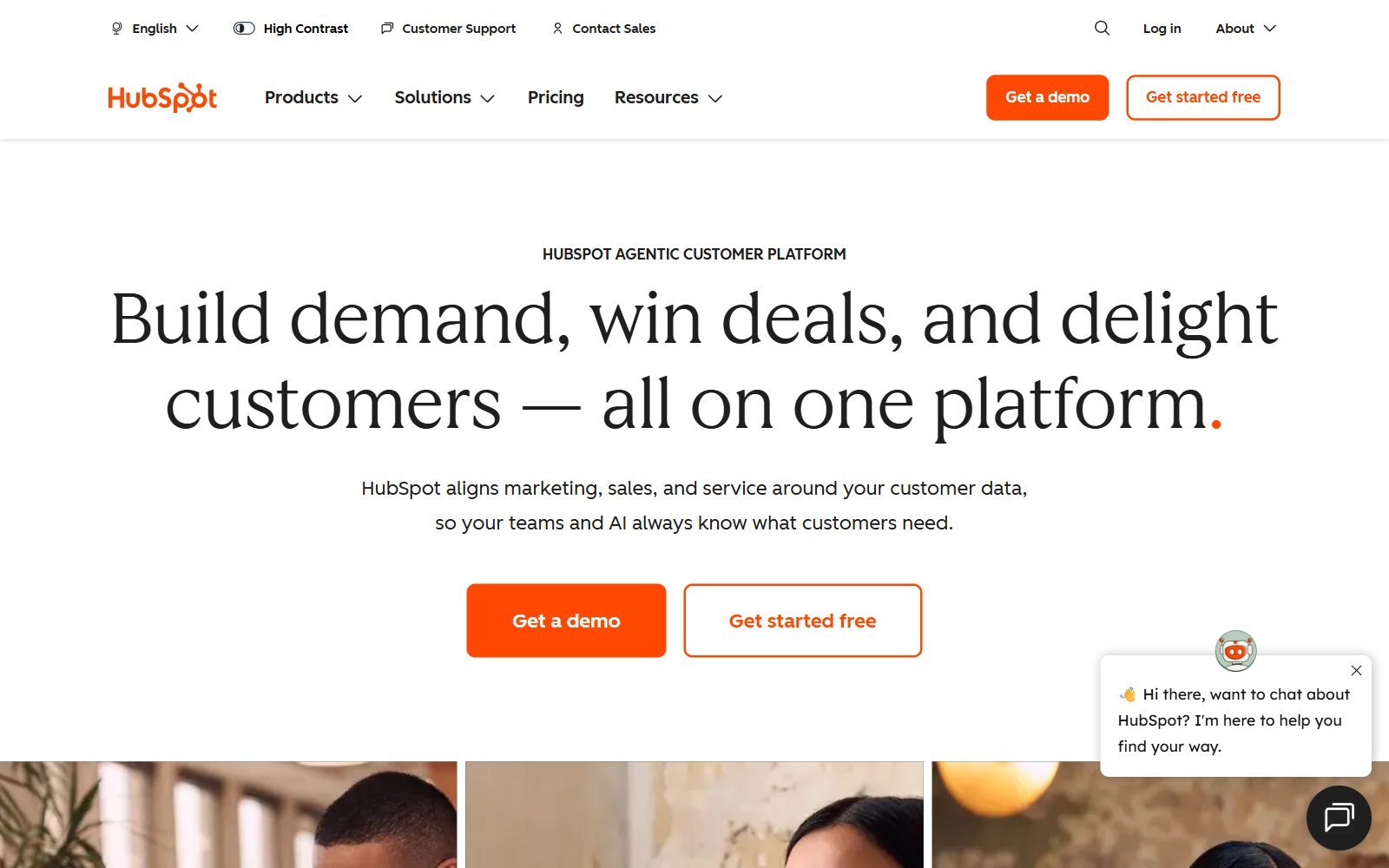
- Customer Relationship Management (CRM): Tools like HubSpot, known for scalable pipelines, assist with managing customer data and workflows from leads to revenue.
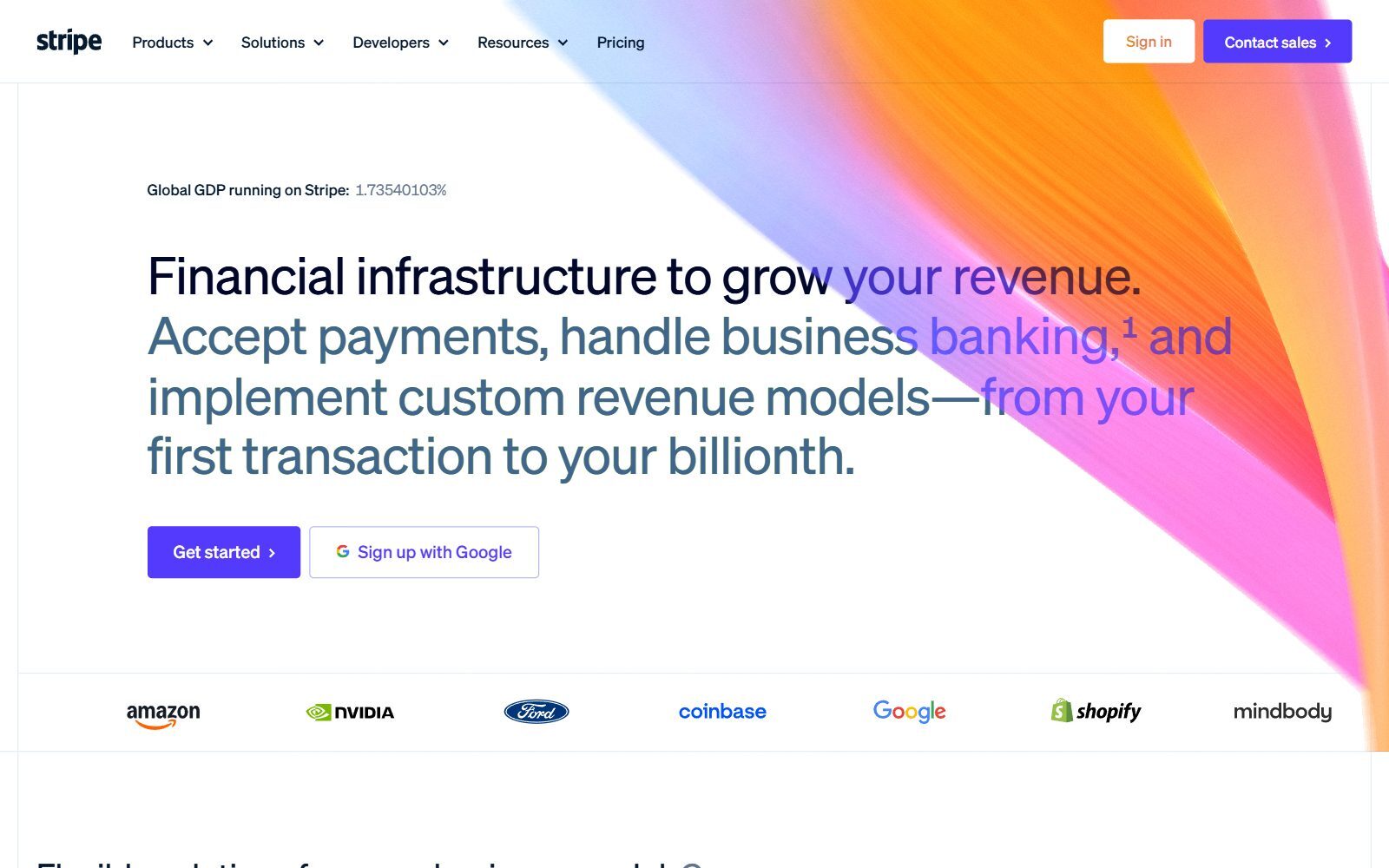
- Payment Platforms: Stripe takes the lead in handling global transactions seamlessly, including subscription management and tax compliance.
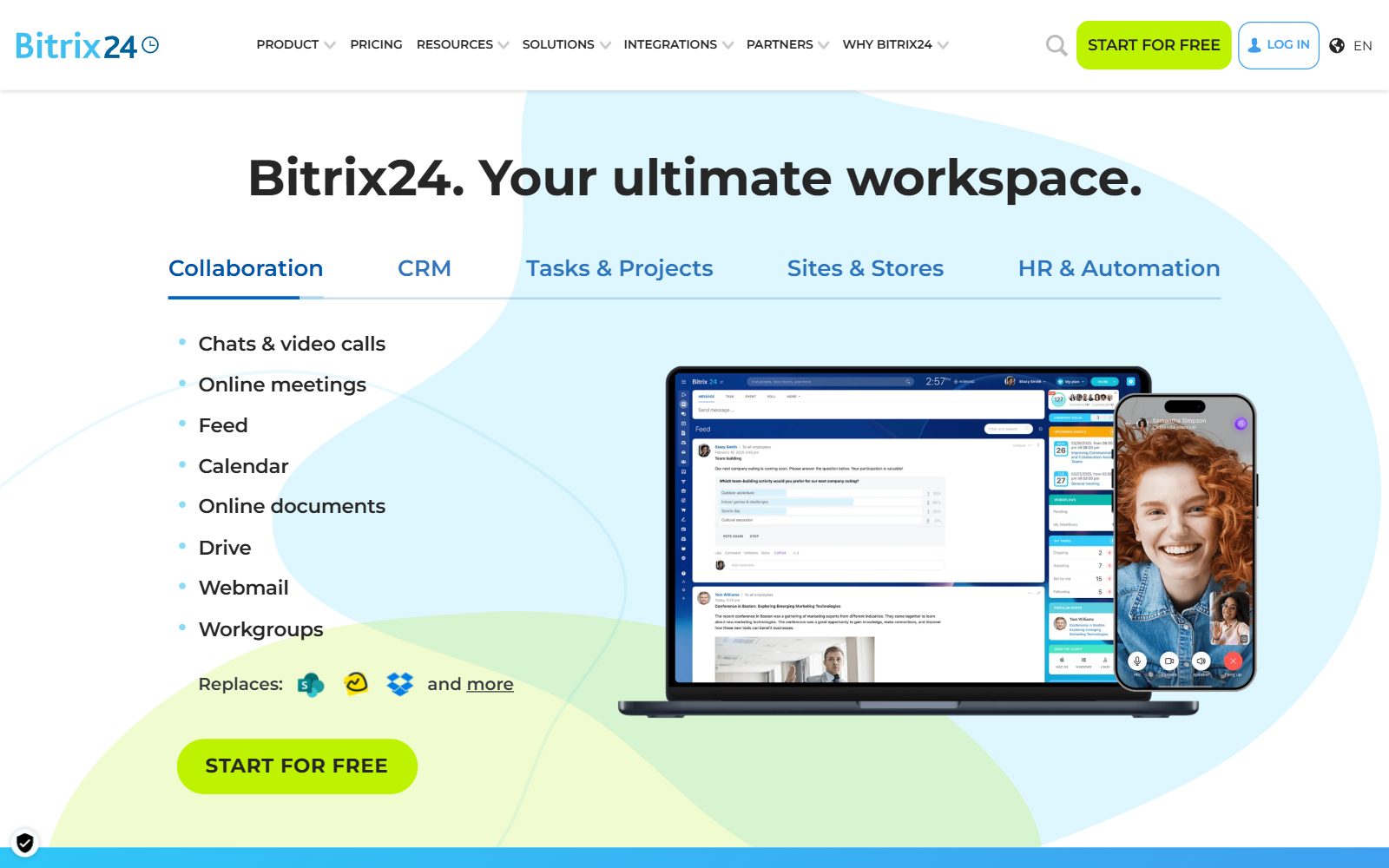
- Project Management: Platforms like Bitrix24 merge communication, task allocation, and deadline tracking.
- Marketing Automation: Tools like ActiveCampaign automate email campaigns and onboarding flows effectively for seed-stage outreach.
How To Choose SaaS Tools Based on Startup Size
The wrong tools at the wrong time are budget nightmares. Here’s how to approach SaaS selection depending on company size:
1. Pre-revenue startups:
Stick to free-tier tools that deliver value without commitment. Examples include Slack Free for team communication, Trello for visual workflows, and HubSpot CRM for contact and lead management.
2. Seed stage startups:
Scale responsibly by investing in low-cost paid tiers. Opt for integrations and custom functionality such as Stripe for early payment management or PostHog Cloud for analytics monitoring.
3. Scaling teams:
As team size grows, complex workflows demand robust tools. Autonomous banking via Mercury, payroll automation via Gusto, and collaboration tools such as Linear make scaling manageable.
Mistakes Startups Make With Tool Stacks
Avoid these common errors when choosing tools:
- Overstacking: Buying multiple software subscriptions with overlapping features wastes budget.
- Ignoring native integrations: Use tools that talk to each other directly without Zapier or similar intermediaries.
- Poor training: Teams often misuse tools due to lack of guidance or onboarding workflows.
- Under-evaluating ROI: Assess how each SaaS platform reduces costs or accelerates growth rather than purchasing due to hype.
Violetta’s Strategy: Build Operational Focus Tools First
As someone who has integrated tools across deeptech, legal tech, and entrepreneurship platforms, I prioritize **systems that enable CEO focus**. At Fe/male Switch, we started by centralizing operational data through integrated workflows. Simplified operations buy clarity so founders can focus on strategy. Learn how I approached this on Operational Systems That Enable CEO Focus on Strategy.
Want to build team-wide SOPs that save time?
Standardized processes improve collaboration and reduce bottlenecks.
👉 Create usable SOP frameworks
Conclusion: Scalable Tool Stacks for Female Entrepreneurs
Building a startup isn't about collecting fancy software; it's about selecting tools that craft operational clarity and sustainable growth. For European female founders, leveraging SaaS specifically designed for lean, bootstrapped journeys can be transformative. Platforms like HubSpot, Stripe, and Bitrix24 create cost-effective frameworks while driving scalability.
Operational efficiency enables focus, scaled customer acquisition, and transparent financial management, keys to surviving past the typical startup death curve. If AI for lean teams interests you next, explore AI-powered Startup Operations for Lean Teams. This is the next evolution in the automation strategy for thriving startups.
People Also Ask:
What is a startup stack?
A startup stack refers to the collection of tools, technologies, and software solutions that a new company uses to build, run, and grow its operations. It often includes platforms for communication, project management, customer relationship management (CRM), marketing, and other business functions.
What are the 7 AI tools every founder needs in 2026?
In 2026, crucial AI tools for founders include Notion for knowledge organization, Claude for natural language processing, Clay for data enrichment, Lovable for social media management, Gamma for presentations, HubSpot for CRM, and Make for workflow automation. These tools help streamline operations without the need for large teams.
What are the 7 stages of a startup?
The 7 stages of a startup are: ideation, validation, funding, launch, growth, expansion, and maturity. During ideation, founders develop initial concepts. Validation ensures a market fit for the idea. Funding secures resources for scaling. Launch introduces the product to the market, while growth focuses on user acquisition. Expansion scales operations, and maturity stabilizes revenue.
Is ChatGPT considered SaaS?
Yes, ChatGPT operates as SaaS, or Software as a Service. It is a cloud-based application where users access its capabilities over the internet, paying for usage through subscription models.
Which SaaS tools are most popular for startups in 2026?
Popular SaaS tools for startups include Slack for communication, Jira for project management, Zoom for virtual meetings, Canva for design, QuickBooks for accounting, and Stripe for payment processing. These tools cater to foundational business needs at accessible costs.
How do women founders stand out in the startup space?
Women founders often lead the way by focusing on social impact, inclusivity, and sustainability. They excel by leveraging collaborative leadership styles and building teams with diverse perspectives. Success examples include founders in EdTech and health-focused startups, areas where women entrepreneurs are particularly recognized.
What are common challenges for startups using SaaS tools?
Challenges include cost management as subscription fees add up, tool integration for seamless workflows, and data security concerns, especially in regulated industries. Choosing the right tools that align with both short-term and long-term goals is also critical.
What funding options are available for bootstrapped startups?
Bootstrapped startups often rely on personal savings, revenue from early customers, grants, crowdfunding platforms like Kickstarter, or non-dilutive funding programs such as government initiatives. Female founders often find success in applying for grants targeted toward women-led enterprises.
What role does AI play in operations for startups in 2026?
AI significantly boosts operational efficiency by automating repetitive tasks, analyzing data for better decision-making, and improving customer interaction through chatbots and personalized recommendations. Many startups also use AI-driven analytics to forecast trends and refine their strategies.
How can startups measure the ROI of their SaaS tools?
Startups can gauge the ROI of their SaaS tools by evaluating key metrics such as time saved on tasks, cost reductions, increased customer satisfaction, and revenue growth attributed to the tools. Regular reviews ensure the tools align with business objectives.
FAQ on Startup Tool Stack Optimization in 2026
How can startups balance tool selection and budget constraints?
Startups should prioritize essentials like free-tier versions of CRM, project management, and communication tools to avoid overspending. Evaluate tools based on their ROI, integration capabilities, and stage-specific needs while avoiding redundant subscriptions. Organic growth should dictate scaling decisions.
What are critical features to look for in SaaS tools?
Key features include native integrations to simplify workflows, scalability for future growth, user-friendly interface, and robust customer support. SaaS tools like HubSpot and Stripe offer great examples of feature-rich, scalable platforms tailored to startups.
When should startups transition to paid SaaS tools?
Transition to paid tools once your startup surpasses free-tier limitations. Seed-stage startups often benefit from investing in tools like Stripe or PostHog to manage financial transactions and user analytics efficiently.
How can startups ensure tool stack scalability and efficiency?
Scale efficiently by focusing on tools with multi-functional features and proven integration capabilities. Platforms like Bitrix24 combine project management, communication, and task tracking within one solution, enabling seamless scalability.
What are the risks of overstacking tools in a startup?
Overstacking leads to budget waste and workflow complexity. Redundant tools consume resources without added value. Avoid this by conducting regular audits of SaaS usage and optimizing processes for efficiency.
Can SaaS tools boost AI readiness for startups?
Yes, tools optimized for AI compatibility, like HubSpot with enhanced analytics, can prepare your startup for AI-driven workflows and search optimization. Explore ways to make your startup visible to AI search engines by visiting AI Search Optimization for Startups.
How can non-technical founders choose the right SaaS stack?
Non-technical founders should start with platforms that have intuitive interfaces, strong documentation, and customer support. Tools like Trello for task management and Mercury for banking simplify operations without requiring technical expertise.
What SaaS tools are ideal for global payment processing?
Stripe remains the market leader for handling global transactions with features like subscription management and fraud prevention. Explore its capabilities to facilitate worldwide financial operations.
How can startups monitor tool stack ROI effectively?
Track ROI by analyzing usage metrics and financial benefits such as time saved and revenue generated. Platforms like ActiveCampaign offer built-in reporting to simplify this process for lean teams.
What are SaaS trends female founders should watch in 2026?
Female founders should prioritize scalable and integration-first platforms while leveraging AI-powered workflows. SaaS tailored to lean management and accessible automation, like Fe/male Switch's tools, represent key trends. Read more on AI for Lean Teams.
