TL;DR: Did ChatGPT stop sending traffic to websites?
Probably not. Since GPT-6 became ChatGPT's default model on 7–8 October 2026, its links seem to arrive without the usual ?utm_source=chatgpt.com tag and without a referrer, so Google Analytics files those visits under Direct. On about 500 pages, Cedric Huesler counted 31,000 fewer ChatGPT visits a day and 26,000 more Direct visits on the same pages. He now says it "might be a bug", and OpenAI hasn't commented. Mark the break in your reports and read ChatGPT and Direct together until it's fixed.
If your ChatGPT traffic fell off a cliff last week, don't rewrite your AI search strategy yet. The visitors may still be coming. Your analytics just can't see where from.
For bootstrapped founders who've started counting ChatGPT as a real acquisition channel, this matters right now: a broken number in a dashboard is how good channels get cut.
What happened
On 7 October, OpenAI started rolling out GPT-6 to everyone in ChatGPT: to the Plus, Pro, Business and Enterprise plans that day, and to the Free and Go plans the day after. It's now the default model in the Chat tab, which OpenAI says is used by "more than 1.2 billion people" every week.
Within days, people who watch AI traffic noticed something odd:
- 9 October: French SEO Sébastien Billard later wrote on X that since that day he saw a sharp drop in ChatGPT human traffic, while visits from OpenAI's search crawler went up.
- 13 October: Cedric Huesler, quoted by Search Engine Roundtable as working at Adobe, saw tracked ChatGPT visits fall about 60% within a day "as GPT-6 rolled out to nearly all answers".
- 14 October: Huesler published his findings in a LinkedIn post titled "ChatGPT didn’t stop sending visitors. It stopped telling you it sent them". The same morning, Search Engine Roundtable reported that OpenAI "seems to have removed or replaced" the UTM tags on ChatGPT links.
- Later on 14 October: Huesler updated his post's title: "this might be a bug, sources tell me". He didn't name the sources.
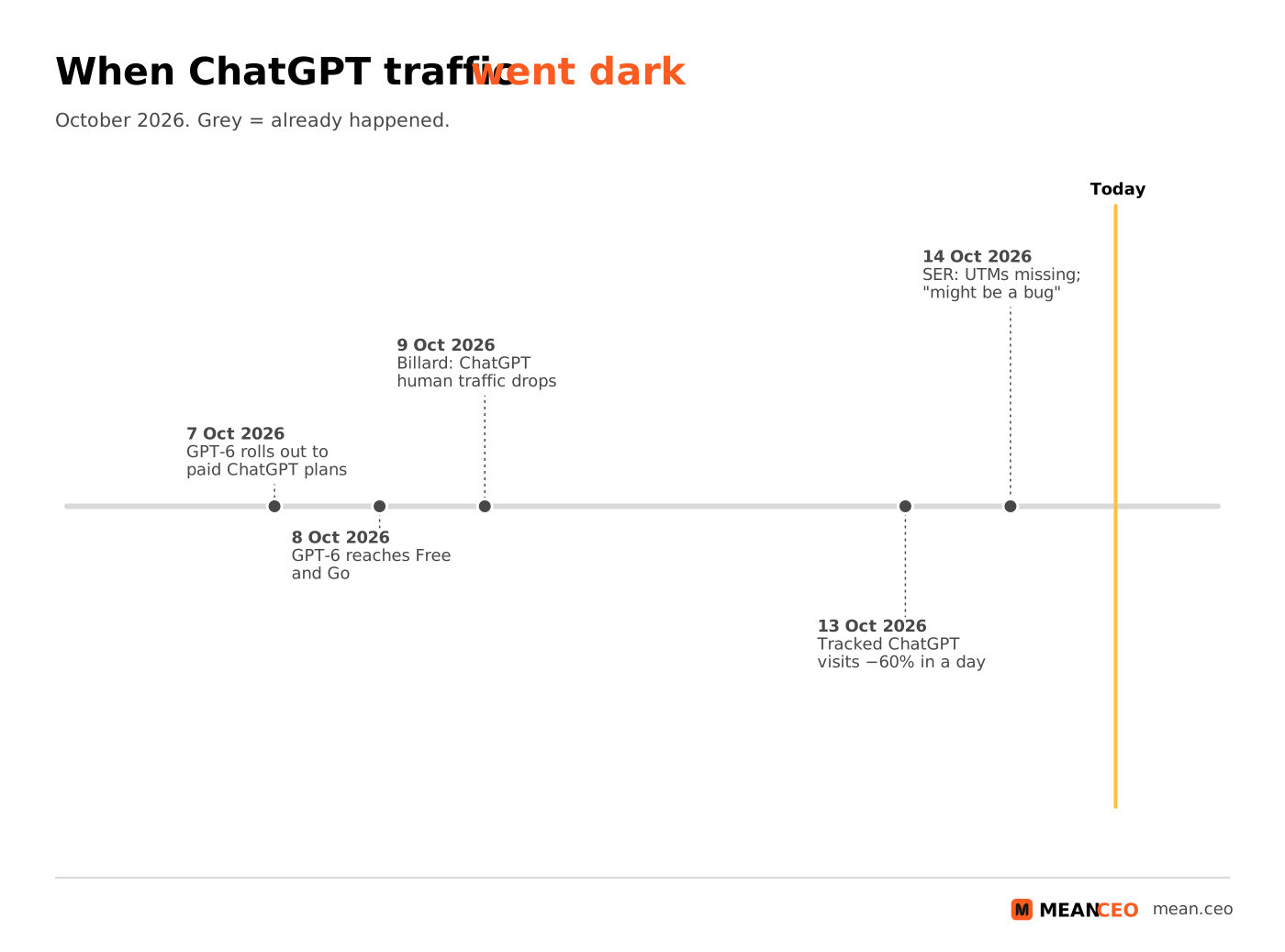
OpenAI has not commented as of 15 October. Its GPT-6 announcement and the ChatGPT release notes up to 9 October say nothing about how links open, and Search Engine Roundtable quotes no OpenAI statement. Until OpenAI says something, treat this as a likely bug, not a new policy.
Why your analytics calls it Direct
Analytics tools work out where a visit came from in two ways: a tag in the link (the UTM parameters) and the referrer, the address of the page the visitor clicked on, which the browser normally passes along. Huesler says GPT-6 opens links in a way that drops both. In his words: "There’s no tag and no referrer, so your analytics files the visit under direct."
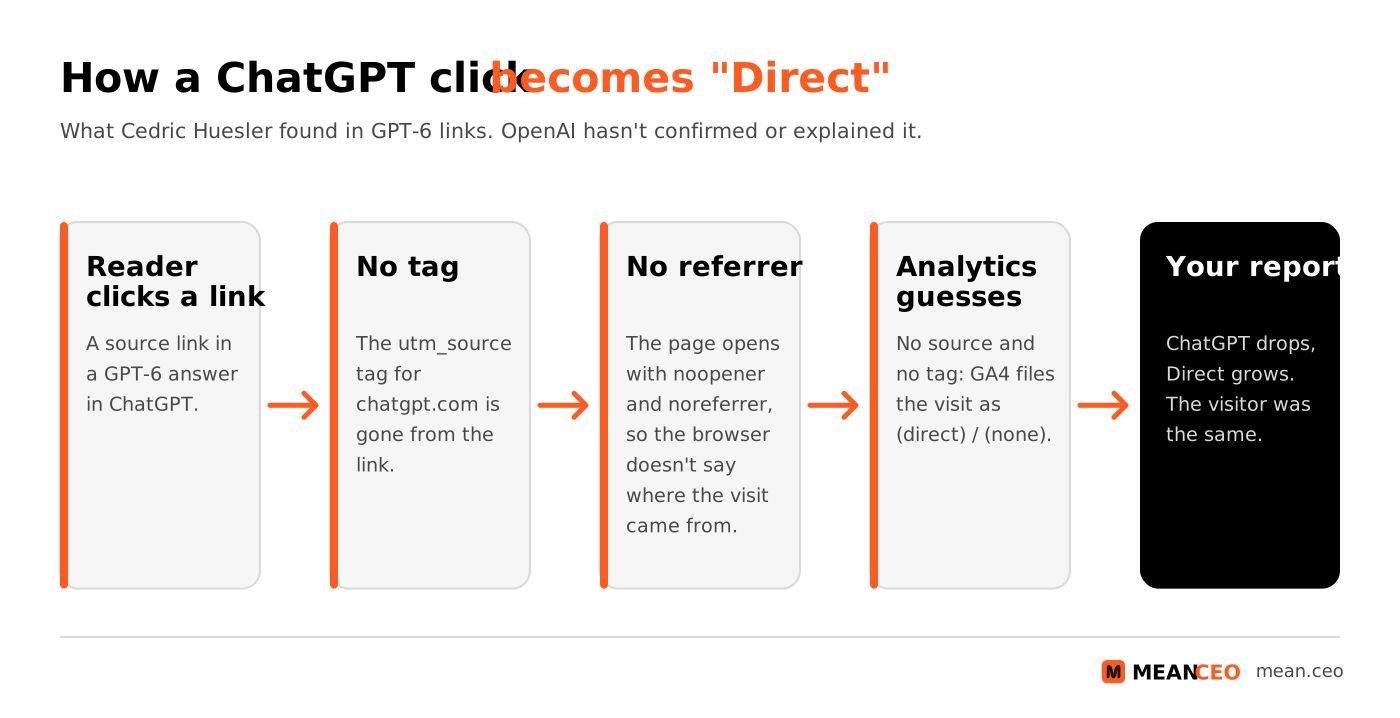
That's exactly how Google describes it. Its help page on (direct) / (none) traffic calls it traffic "that doesn't have a clear referral source", and warns that when links "lack UTM parameters", source information is lost. GA4 does have a separate AI Assistant channel for visits from ChatGPT, Gemini, Copilot and others, but it only works if the referrer matches a list of AI assistants. No referrer, no AI Assistant channel.
The last row is the painful one. Custom channel groups and regex filters only sort traffic by the information that arrives with it. If none arrives, no filter can recover it after the fact.
How sure is this?
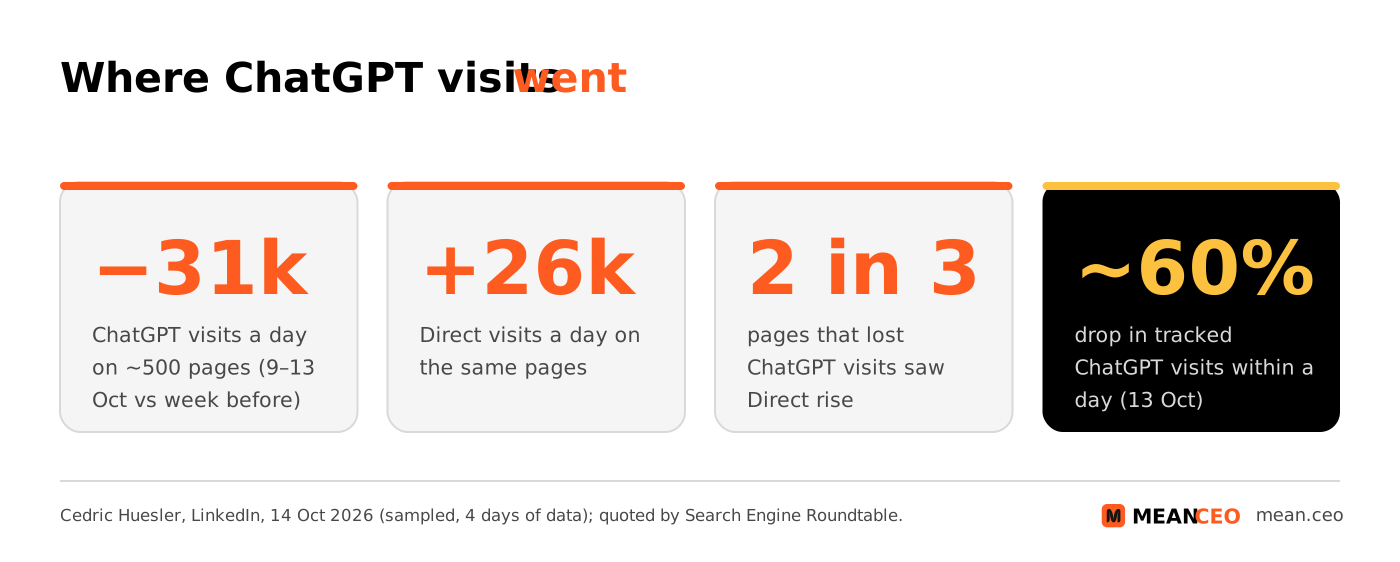
It's an early signal, not a settled fact. Huesler looked at about 500 pages where ChatGPT brought 5% or more of visits and compared 9–13 October with the week before. ChatGPT visits fell by about 31,000 a day, Direct rose by about 26,000 a day on the same pages, and search traffic fell 7%, "the same as everywhere else". Direct went up on 2 in 3 pages that lost ChatGPT traffic; the week before, he says, it was "a coin flip".
He also checked who the new Direct visitors are. On mobile, the share of Direct visitors seeing the cookie consent banner, a sign they're new to the site, rose from 36% to 44%. For ChatGPT visitors it's 55%. A jump in first-time visitors inside Direct fits the idea that these are ChatGPT clicks in disguise.
His own caveat: "It’s early: 4 days of data, sampled", and only pages where ChatGPT was a big share of traffic can show the pattern. Billard's report fits the timing, but no analytics company has published its own numbers yet.
For scale: ChatGPT is still a small slice of most sites' traffic. SE Ranking found its referral share worldwide was 0.32% in May 2026, but growing fast, and fastest in the EU, up 42.7% in a month. ChatGPT sends about three in four of all AI referrals. That's why a sudden 60% drop in tracked visits got so much attention.
What this means for you
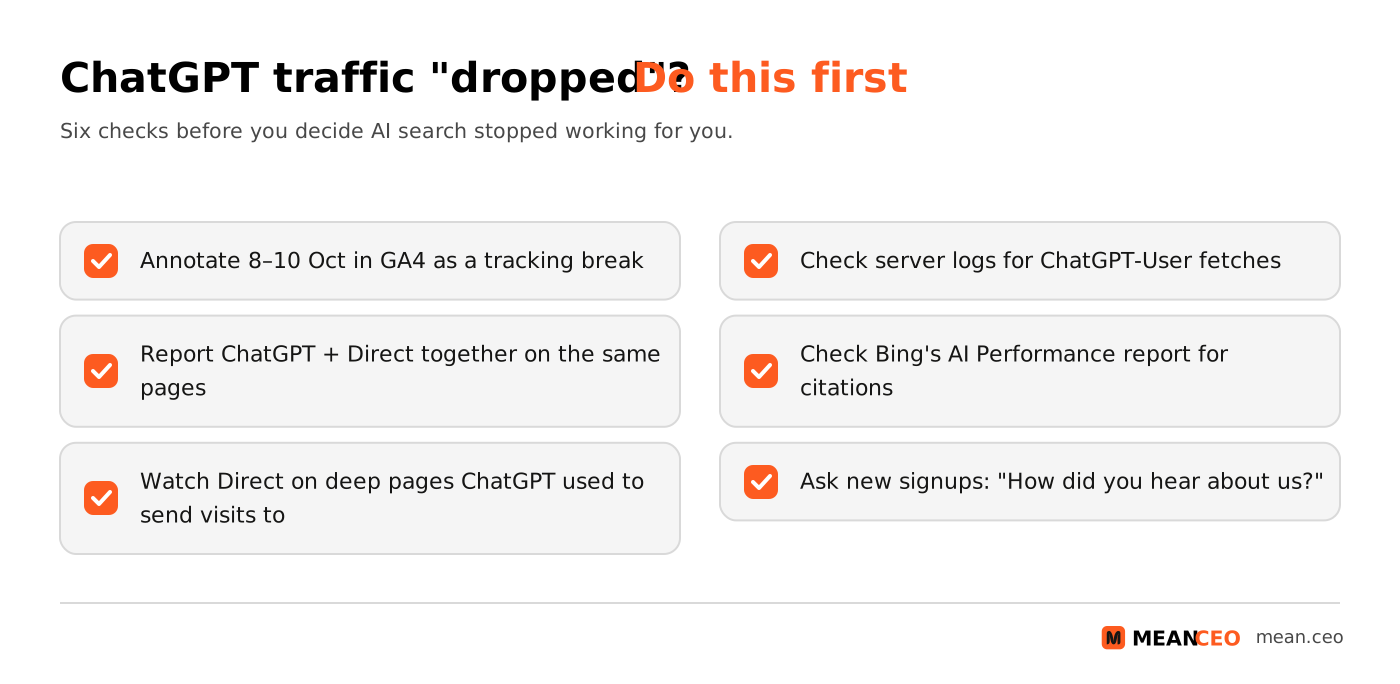
- Annotate the break. Huesler's advice: "Your GA4/AA trend line broke on Oct 8–10. Annotate it". Any month-on-month comparison of ChatGPT traffic from October onwards is unreliable until this is fixed. If you're new to reading these reports, start with our SEO analytics guide for non-marketers.
- Read ChatGPT and Direct together. Look at the pages that used to get ChatGPT visits, usually deep guides and tool pages, not your homepage. If ChatGPT fell and Direct rose there by a similar amount, the visitors didn't leave.
- Don't build a regex fix for this. Google's custom channel groups have an "AI assistants" example, and it's worth having, but it can't catch visits that arrive with no referrer and no tag. Note that Google's sample pattern begins with ^.*ai, which matches any source containing "ai", so check it before you use it.
- Look in your server logs. OpenAI's crawler documentation lists ChatGPT-User, which fetches a page when a user asks ChatGPT something, and OAI-SearchBot, which finds pages for ChatGPT search. These are fetches, not human clicks, but more ChatGPT-User hits on a page show ChatGPT is still using it to answer people.
- Add a cheap question to signup. A "How did you hear about us?" field with ChatGPT as an option costs nothing and doesn't depend on any tag. It's the oldest attribution trick there is, and for a small startup often the most honest one. More ideas in how to track marketing attribution on a bootstrap budget.
- Measure AI visibility at the source too. Bing's new Topics Portfolio beta (13 October) groups the queries where your site appears in Bing's AI answers into topics and shows "Top Opportunity Queries" where other sites are cited and yours isn't. Keep an eye on Google Search Console as well, and judge channels on signups and revenue, as in our list of growth metrics that matter for bootstrapped startups.
This isn't the only measurement problem this month: rank trackers are also being fed fake Google results. For the rest of the month's changes, see our Google Analytics news for October 2026 and SEO news for October 2026.
Are you getting customers from ChatGPT yet?
More and more traffic is coming from Perplexity, ChatGPT, Grok and other AI tools.
👉 Rank on ChatGPT
FAQ: ChatGPT traffic showing as Direct
Why did my ChatGPT traffic drop in October 2026?
Most likely because ChatGPT's links stopped carrying the utm_source=chatgpt.com tag and a referrer after GPT-6 rolled out on 7–8 October. Your analytics can no longer tell those visits came from ChatGPT, so it counts them as Direct.
Did OpenAI remove UTM parameters from ChatGPT on purpose?
Nobody knows yet. OpenAI hasn't commented as of 15 October 2026. Cedric Huesler, who first published the data, updated his post on 14 October to say it "might be a bug", citing unnamed sources.
Why does ChatGPT traffic show up as Direct in GA4?
GA4 puts visits with no referrer and no UTM tag under (direct) / (none). Huesler found GPT-6 opens links with noopener and noreferrer and without the chatgpt.com tag, so GA4 has nothing to go on.
Can I fix this with a GA4 custom channel group?
No. Channel groups sort visits by their source, medium or referrer. When a visit arrives with none of these, no rule can match it. You can only estimate the hidden traffic, for example from Direct on pages ChatGPT used to send visitors to.
Is ChatGPT still sending visitors to websites?
Huesler's data suggests yes: on about 500 pages, ChatGPT visits fell by about 31,000 a day while Direct rose by about 26,000 a day on the same pages. It's four days of sampled data, so treat it as an early signal.
How else can I see if ChatGPT uses my site?
Check server logs for OpenAI's ChatGPT-User and OAI-SearchBot user agents, add a "How did you hear about us?" field with ChatGPT as an option, and watch Bing's AI Performance report for citations.
About the Author
Violetta Bonenkamp, also known as MeanCEO, is an experienced startup founder with an impressive educational background including an MBA and four other higher education degrees. She has over 20 years of work experience across multiple countries, including 5 years as a solopreneur and serial entrepreneur. Throughout her startup experience she has applied for multiple startup grants at the EU level, in the Netherlands and Malta, and her startups received quite a few of those. She’s been living, studying and working in many countries around the globe and her extensive multicultural experience has influenced her immensely.
