
Top 10 Proven Strategies to Navigate Accelerators and Incubators as a Female-Led Startup
As a female entrepreneur with over 20 years of experience in startups, education, and technology, I can confidently say that stepping into accelerators and incubators as a female-led startup is both exciting and intimidating. The unique challenges we face - gender bias, limited funding, and navigating male-dominated spaces - require specialized tools, informed decisions, and tailored strategies. In 2026, there’s no excuse not to leverage the incredible ecosystem of support tailored for female-first ventures.
In this guide, I’ll cover the top tools, trends, and actionable strategies to help you make the most out of incubators and accelerators. Whether you’re considering your options or already enrolled, these insights will help you optimize every opportunity to scale your venture.
What Are the 10 Strategies at a Glance?
- Validate first. Test your idea with real customers before you apply anywhere.
- Know who you are talking to. Female Founders Fund and MergeLane are investors, not cohort accelerators.
- Check that the program still runs. Look up the date of the latest cohort before you plan around it.
- Shortlist programs built for female founders and for your sector.
- Price the equity. Compare every offer with YC's standard deal, described below.
- Ask the 7 questions below before you sign an offer letter.
- Look at equity-free support such as grants and public programs.
- Pick dedicated mentors over generic workshops.
- Finish one program and apply its lessons before you join the next one.
- Talk to alumni founders first. Use LinkedIn and your network to reach two of them per program.
Write FREE SEO-optimized Blog Articles! Our Article Writer ensures your blog is loved by both Google and your readers, turning those clicks into customers.
👉 Write your article here
Why Navigators Like SANDBOX and AI Co-Founder PlayPal Are Game-Changers
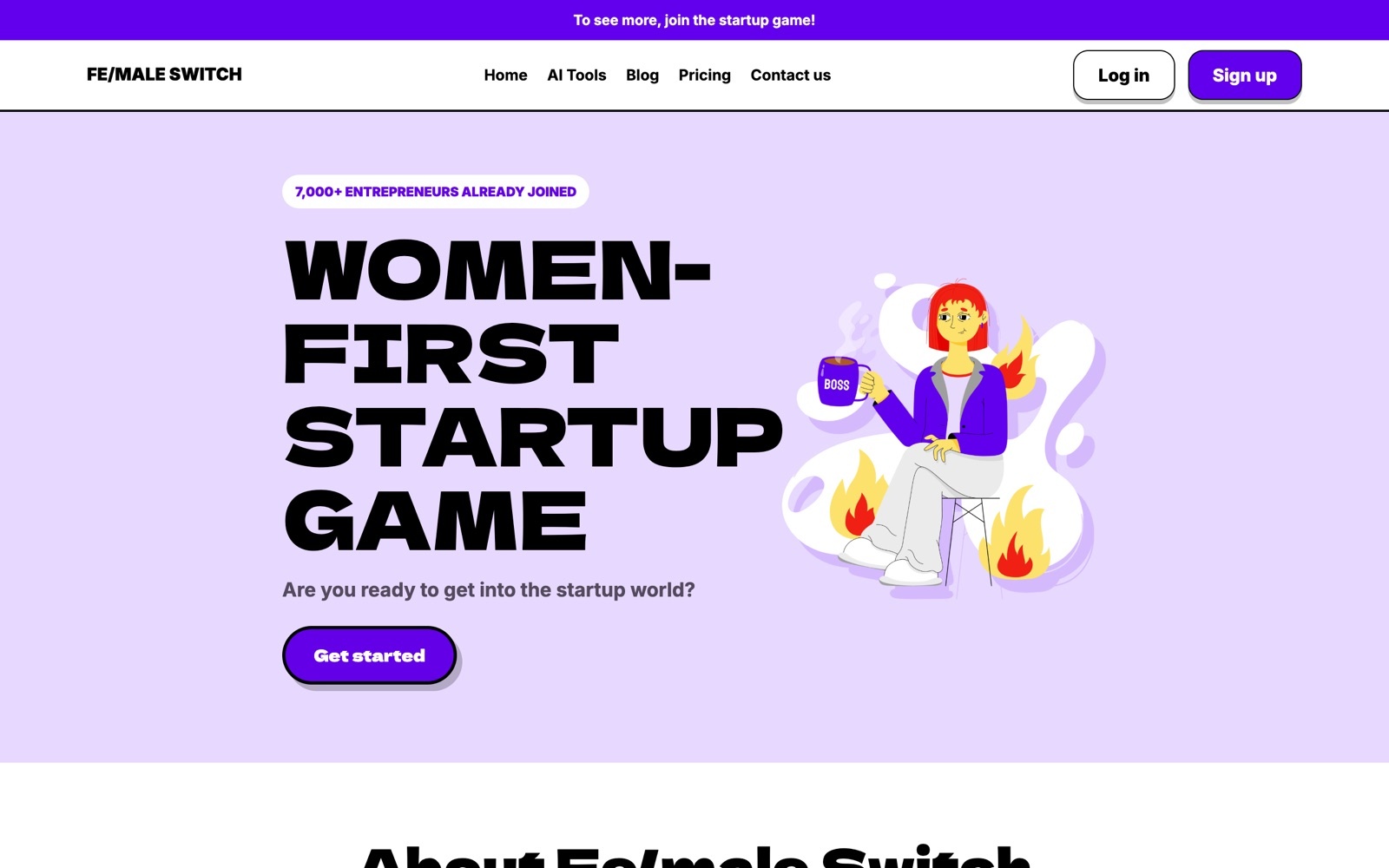
Let’s start with a foundational issue: entrepreneurs often approach accelerators or incubators without first validating their ideas. This is where tools like SANDBOX and PlayPal shine. Imagine having a personalized AI co-founder at your side, helping you validate your problem, refine your solution, and set a market-ready direction - all before stepping into external programs.
How SANDBOX Works:
- Structured Idea Validation: SANDBOX breaks your business development into manageable "Blocks" such as Problem, Idea, Audience, and Product.
- Feedback Loops: Using AI co-founder PlayPal, you receive actionable critiques on your approach, along with clear next steps.
- Real-World Test Cases: Test your riskiest assumption with real customers in SANDBOX before an accelerator interview, so you arrive with customer evidence to show.
Why It Matters: Programs like SANDBOX get you ready for the accelerator interview and for Demo Day, so you spend less time wondering if your idea works and more time using the connections and resources on offer.
Top Accelerators and Incubators for Women-Led Startups in 2026
With funding and mentorship specifically designed to address gender gaps, here are some of the most impactful programs today:
1. Female Founders Fund Accelerator
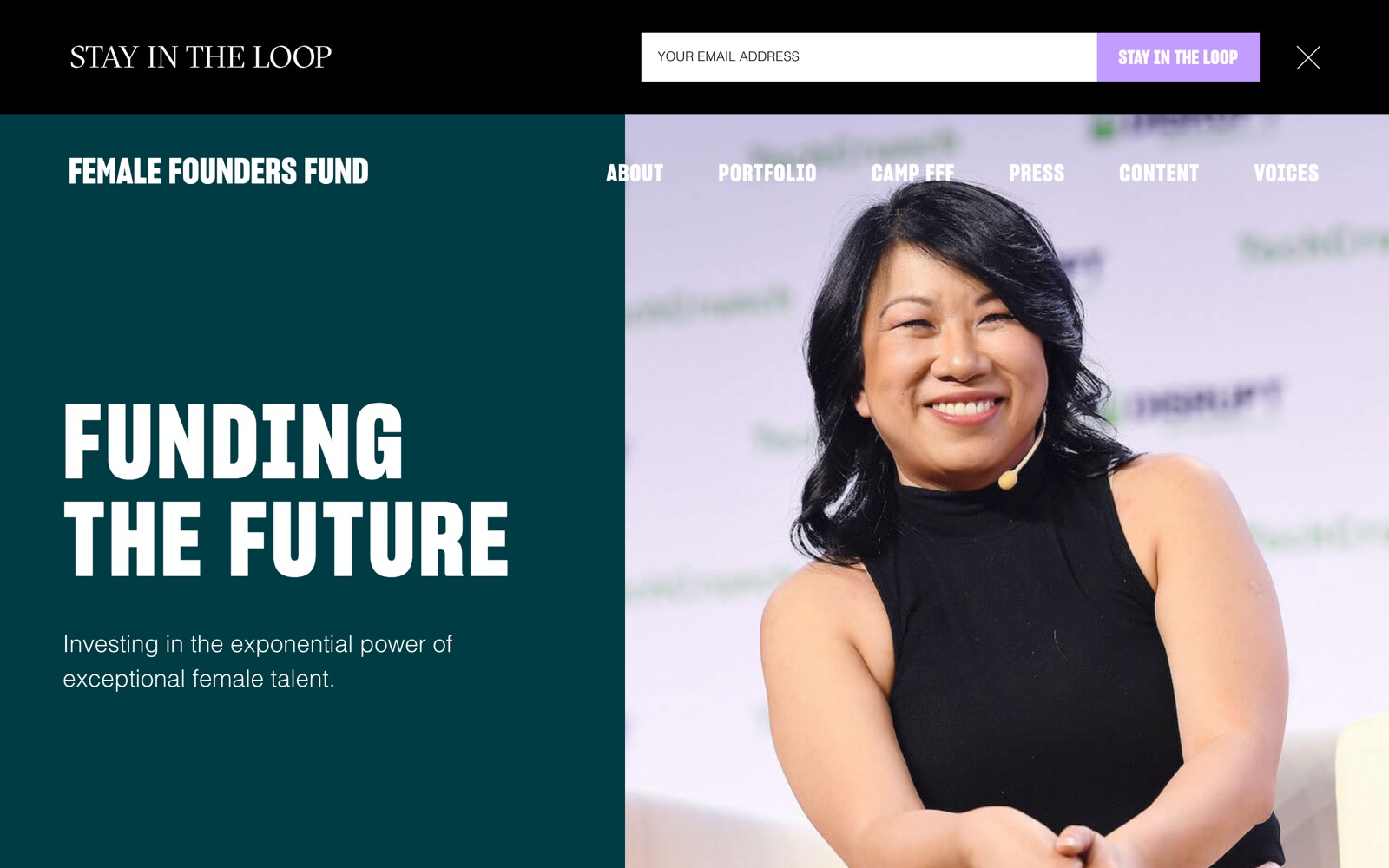
- Focus: Companies with female founders. Female Founders Fund is a venture fund that has invested exclusively in female-founded companies since 2014, so it works as an investor, not a cohort-based accelerator (per femalefoundersfund.com, checked October 2026).
- What They Offer: Investment in category-defining female leaders; focus areas listed on its site today include digital healthcare, AI-first vertical software, and beauty and personal care.
2. Halo Incubator
- Focus: Gender-specific barriers in tech, offering mentorship, funding, and networking for female-led ventures.
- Update, October 2026: haloincubator.com lists no cohort after Cohort VIII (Fall 2021), so confirm with Halo that a new cohort is open before you plan around it.
3. Springboard Enterprises
- Sector: Tech and life sciences.
- What to check: ask for the current program format and the names of recent portfolio companies, then speak with two of those founders before you apply.
4. MergeLane Venture Fund
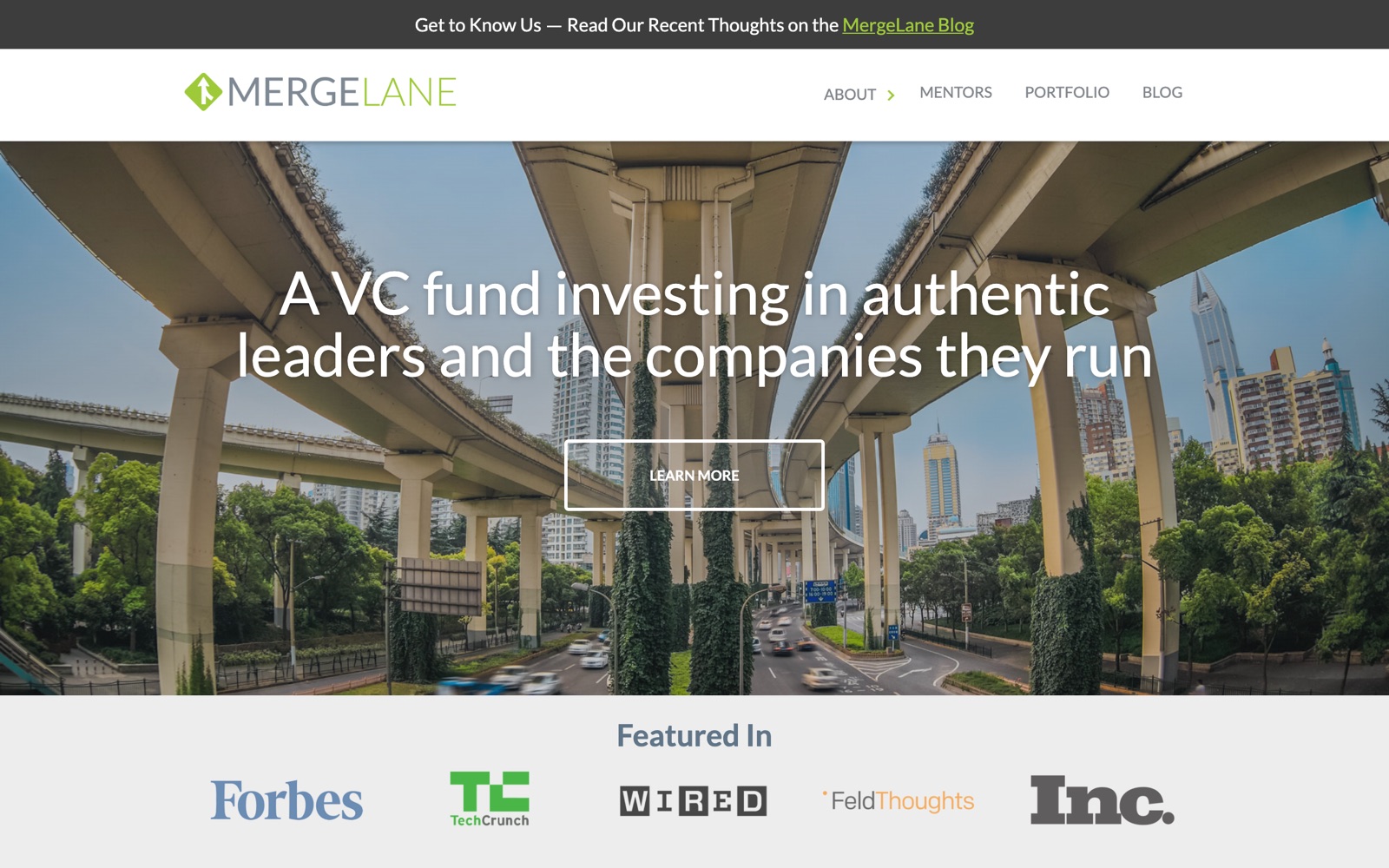
- Unique Proposition: MergeLane describes itself as a VC fund that only invests in companies with at least one woman in leadership; since its 2015 founding it has invested in 44 companies (per mergelane.com, checked October 2026). Treat it as an investor, not a cohort-based accelerator.
5. Amsterdam-Based FEM-START Program
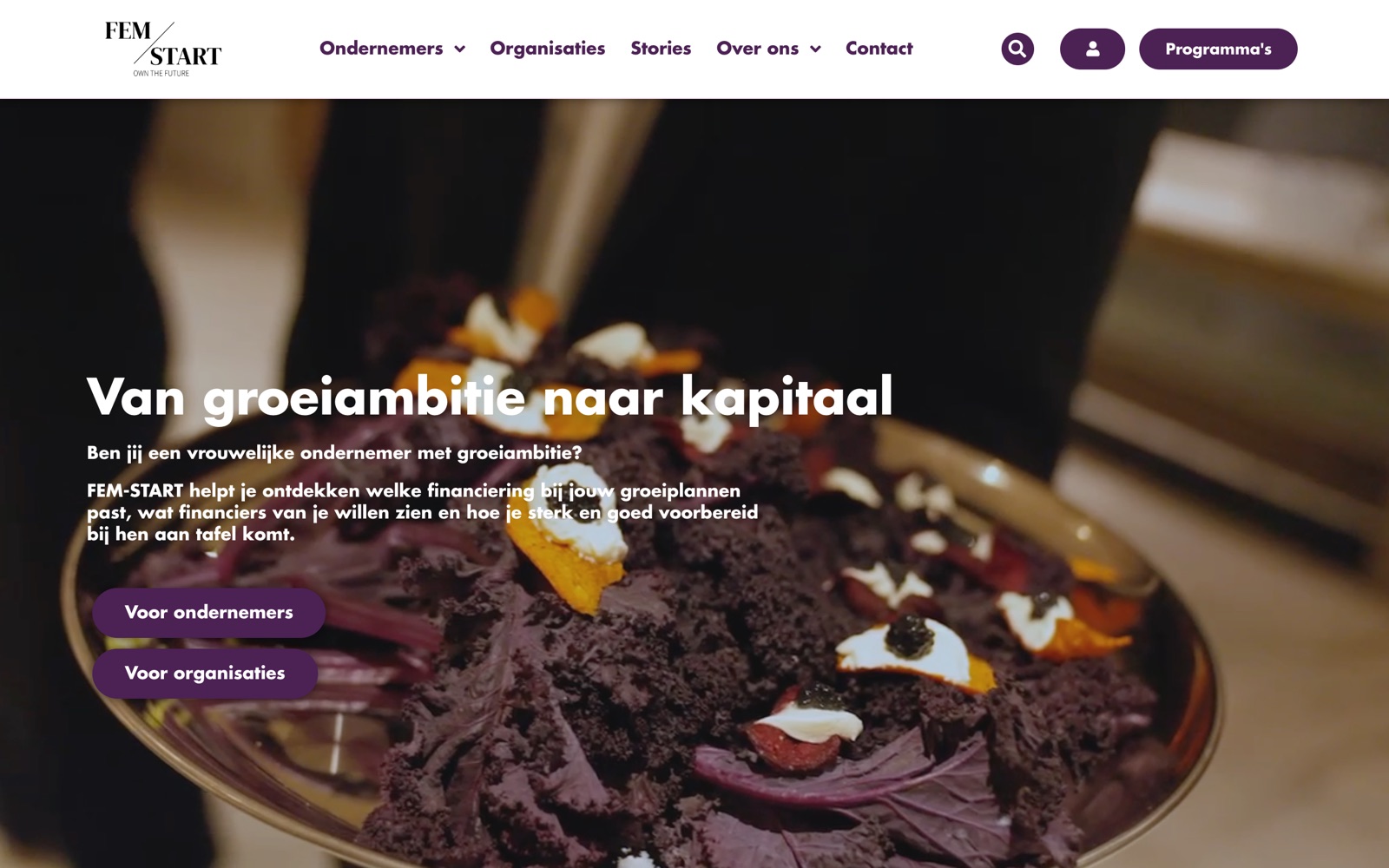
- Specialization: Business acceleration for female innovators in Europe.
- Key Trends: Emphasis on ethics-driven, scalable ventures in AI and tech.
The Trends Female Entrepreneurs Must Watch in 2026
1. AI-Driven Personalization in Programs
Accelerator applications often require clear differentiation. In 2026, leveraging tools like AI-generated Business Model Canvas (as discussed in one of my recent blog posts) provides refined, investor-ready documentation.
2. Mentorship Beyond Structuring Ideas
With global examples (i.e., Halo Incubator), mentorship now extends to personal development and leadership training - an overlooked but crucial area particularly in high-pressure female leadership.
3. Equity-Free Support Models
Equity-free support (grants, public programs and some university or corporate programs) lets founders keep full ownership, so compare it with equity deals before you sign anything. Y Combinator, for comparison, does take equity: its standard deal invests $500,000, with $125,000 on a post-money SAFE for 7% of the company and $375,000 on an uncapped SAFE with a most favored nation clause, according to YC's own deal page.
4. Accelerators for Niche Communities
Platforms targeting underrepresented sectors, such as AI and sustainability, are emerging. Look into WaiACCELERATE for women in AI or digitalundivided for Black and Latina startup founders.
How to Approach Accelerators and Incubators Strategically
The first accelerator you get into might not be the best for your startup’s needs. Be selective. Here’s a step-by-step guide to narrow the field:
Step 1: Validate Before You Apply
Use platforms like SANDBOX to articulate your idea’s scalability, potential market size, and target demographic. Applying without this clarity can waste valuable time.
Step 2: Leverage Specialized Communities
For women entrepreneurs, programs like Founder Institute’s Female Founder Program are a goldmine of sectoral knowledge. Read this report for a comprehensive list of specialized platforms.
Step 3: Understand the Cost
Some accelerators charge participation fees or equity stakes. Familiarize yourself with common pitfalls by reviewing platforms like Visible.vc’s Top Incubators for detailed comparisons.
What Should You Ask Before You Accept an Accelerator Offer?
An offer letter feels like a win, and that is exactly when founders stop asking questions. Go through these 7 questions before you sign:
- How much equity, on what paper? A SAFE, shares or a convertible note, and at what valuation or cap.
- Are there fees? Some programs charge participation fees or take them out of the investment.
- Who are the mentors? Ask for names and for the hours per month you will actually get with them.
- What happened to the last two cohorts? Ask for founder contacts and call two of them yourself.
- Is the program still running? Check the date of the latest cohort on its site, as the Halo example above shows.
- What does Demo Day give you? The size of the investor list and any follow-on funding rules.
- What do you owe after the program? Look for pro-rata rights, board seats or information rights in the contract.
Use YC's standard deal described above as a benchmark. A program that asks for more equity and puts in less money needs a clear reason for it, such as access to customers in your sector or lab space you cannot get elsewhere.
Common Mistakes Female Founders Must Avoid
Mistake #1: Overcommitting to Programs
Constantly bouncing between programs without pausing to apply the lessons learned will stall your progress. SANDBOX allows you to "test for readiness" before committing to this intense pathway.
Mistake #2: Undervaluing Mentorship
Personal mentorship is more transformative than generic workshops. Seek programs offering dedicated mentor relationships like MergeLane.
Deep Insights: Learnings Specific to Female Entrepreneurs
How to Use SANDBOX Before You Apply
Write your problem statement, target customer and pricing guess in SANDBOX, then ask PlayPal to list the three questions an accelerator panel would challenge first. Answer them with customer quotes or numbers you collected yourself, and reuse those answers in your application.
Insights:
- Feedback Strengthens Positioning: AI tools help female founders prepare for critical funding conversations.
- Iteration is Key: Validate and pivot until you strike that product-market fit.
Your Go-To Tools for 2026 Success
- SANDBOX and PlayPal – The ultimate solution for idea validation and AI-guided roadmaps.
- MergeLane Venture Fund – Conscious leadership for scalable results.
- Digitalundivided – Focused on racial and gender diversity in startups.
- Founder Institute Female Founder Program – Early validation and mentorship.
- LinkedIn Premium – Expand networks across mentors, investors, and collaborators.
Conclusion: The Playbook for Navigating Accelerators
Navigating accelerators and incubators as a female-led startup in 2026 involves blending preparation, guidance, and leveraging tools that eliminate trial and error. With resources like SANDBOX and mentorship-driven ecosystems, you’re not just launching a business - you’re creating resilient leadership models.
Key Takeaways:
- Validate early using SANDBOX and personalized feedback.
- Focus on niche female-centric programs with proven results.
- Watch out for 2026 trends: equity-free support and AI-led accelerators.
Remember, the right accelerator won’t create a startup for you - it amplifies the effort you’ve already put in. So prepare well, adapt quickly, and thrive using every opportunity available. Ready to start building? Try SANDBOX for free today.
Validate your business idea in the Fe/male Switch Sandbox! Test, experiment, and pivot your way to success, all in a risk-free environment with an AI Co-Founder.
FAQ on Navigating Accelerators and Incubators as a Female-Led Startup
1. What are the best accelerators for female-led tech startups?
Female Founders Fund is a venture fund that has invested exclusively in female-founded companies since 2014, so approach it as an investor, not as a cohort-based accelerator. Learn more about the Female Founders Fund Accelerator
2. How can I validate my startup idea effectively before applying to an accelerator?
Platforms like SANDBOX, equipped with tools such as AI co-founder PlayPal, guide founders in validating problems, refining solutions, and setting a market-ready direction. Explore SANDBOX and PlayPal
3. Are there any equity-free incubators for female entrepreneurs in 2026?
Yes. Grants and public programs give support without taking shares. Y Combinator does take equity: 7% for its $125,000 post-money SAFE, plus a $375,000 uncapped SAFE, per YC's deal page. Read about equity-free incubators
4. What programs support diverse leadership teams?
MergeLane Venture Fund invests in startups with at least one female leader and promotes conscious leadership methodologies. Learn more about MergeLane Venture Fund
5. Which accelerator emphasizes ethical and scalable AI ventures?
The Amsterdam-based FEM-START program specializes in ethical business acceleration for female-led AI and tech startups. Explore FEM-START
6. How can mentorship improve a female founder's journey?
Halo Incubator provides mentorship targeting gender-specific barriers, enabling female founders to overcome challenges in male-dominated industries. Its site lists no cohort after Fall 2021, so check with Halo before applying. Discover Halo Incubator
7. Can I use AI to write SEO-optimized articles that help my brand grow?
Most business owners don't understand how SEO works, let alone how to use AI for writing blog articles. That's why for busy business owners there's a great free tool that doesn't require much knowledge. Write articles for free
8. What are the key mistakes female founders make in accelerators?
A major mistake is overcommitting to programs without applying lessons learned. Tools like SANDBOX can test your readiness before applying, helping you focus on strategic goals.
9. Which programs focus on global scaling for female founders?
Womensphere Accelerator supports women-led startups in tech, media, and social impact by connecting them with international markets.
10. Are there programs for female founders in niche areas like AI?
WaiACCELERATE is specifically designed for women in AI, offering mentorship and networking opportunities to help scale ventures. Learn more about WaiACCELERATE
About the Author
Violetta Bonenkamp, also known as MeanCEO, is an experienced startup founder with an impressive educational background including an MBA and four other higher education degrees. She has over 20 years of work experience across multiple countries, including 5 years as a solopreneur and serial entrepreneur.
