
TOP 10 PROVEN TIPS for Solo Female Founders On How to APPROACH Angel Investors in 2026
As a solo female founder navigating the challenging, yet thrilling, terrain of entrepreneurship, I’ve come to realize that securing funding from angel investors isn’t just about a compelling pitch. It’s about strategy, data, relationships, and leveraging unique tools like AI-powered co-founders. If you’re reading this, it’s likely you’re gearing up to tackle one of the most critical components of startup success: finding the right angels for your venture.
Today, I want to share actionable tips and tools that have worked not just in theory, but in practice, based on my own entrepreneurial experience and years working with female founders. In 2026, with emerging technology, AI support like PlayPal, and startup platforms like SANDBOX, approaches to angel investing are more advanced, accessible, and optimized than ever.
Try our FREE AI Business Model Canvas generator to automatically create a BMC by answering just two questions. You will get an editable Google Presentation and an extensive guide on what to do next.
Introduction: The Female Founder Funding Landscape in 2026
Let’s start with some hard facts: women-founded startups still receive an appalling 2.4% of venture funding annually, according to PitchBook. Angel investing, thankfully, provides a more approachable option, but it doesn’t guarantee smoother sailing. Bias is real, but so too is preparation.
Here’s the great news: the entrepreneurial tools available today, such as AI-driven co-founders and gamified startup validation platforms like Fe/male Switch, are leveling the playing field. These innovations empower founders to approach their funding journey systematically, confidently, and with data-driven insights.
Tools That Will Help You Approach Angel Investors
1. SANDBOX and PlayPal: Your AI-Powered Startup Co-Founder
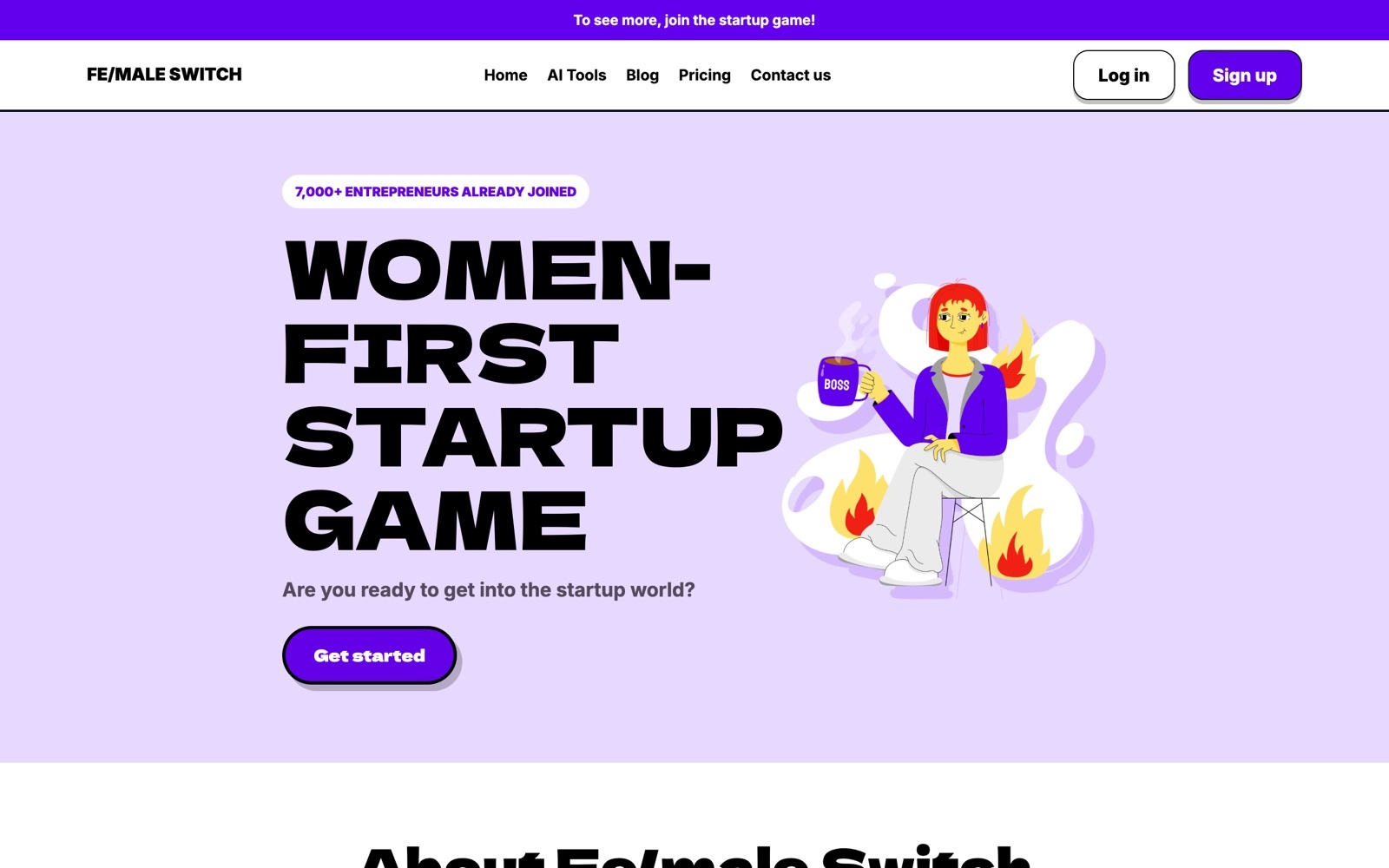
Before you pitch your idea to anyone, it’s crucial to validate it. The first tool I recommend is SANDBOX, a gamified startup-building platform provided by Fe/male Switch.
- What It Does: The SANDBOX guides you through every stage of startup building - from discovering the problem, analyzing the audience, and developing your product idea - all while receiving feedback along the way. PlayPal, the AI co-founder within the platform, provides 24/7 personalized coaching and ensures your approach to every challenge is data-driven, strategic, and investor-ready.
- Example in Action: A client was struggling to articulate her market validation strategy. Using SANDBOX, she iteratively refined her problem statement and customer personas. With PlayPal’s guidance, she developed a winning investor pitch deck that secured her first angel investment.
- Why Start Here: Investors want more than an idea - they want proof. Tools like SANDBOX not only validate your idea but also give you the confidence to explain the step-by-step reasoning during investor meetings.
2. Find Angels and Syndicate Leads Who Invest Through AngelList
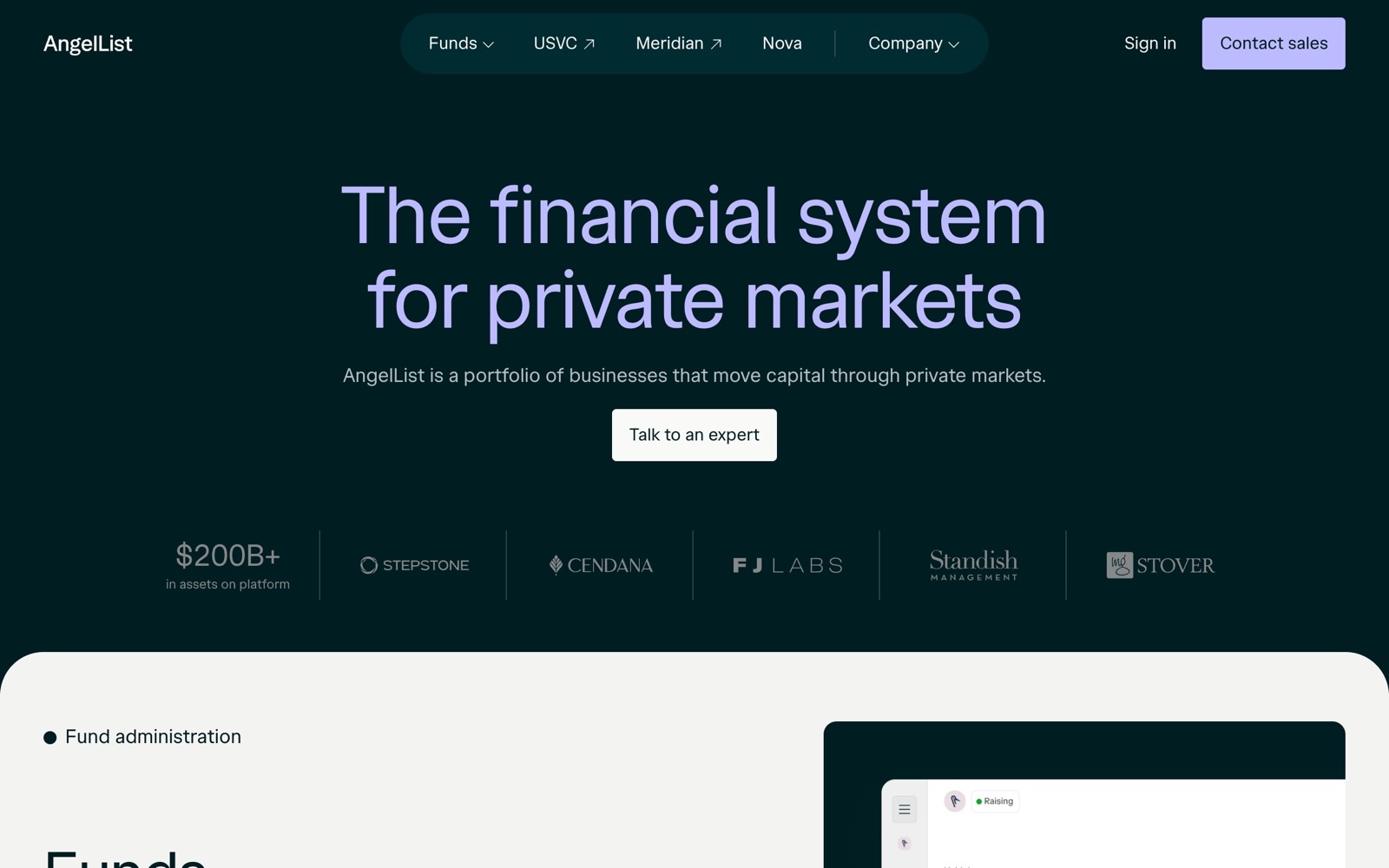
AngelList today runs the software behind thousands of venture funds, rolling funds, scout funds and SPVs (the vehicles angel syndicates use to pool money for one deal), and its Meridian platform gives accredited investors access to startups and funds. It no longer works as an open directory of angels: the old angel.co address now leads to Wellfound, a startup jobs and recruiting platform. Use AngelList the other way around. When an angel or syndicate lead in your niche mentions an AngelList fund or SPV on their website or LinkedIn, add them to your hit list and study the deals they have backed. Be strategic by crafting messages that highlight alignment with their investment thesis.
3. Use Crunchbase for Data-Driven Targeting
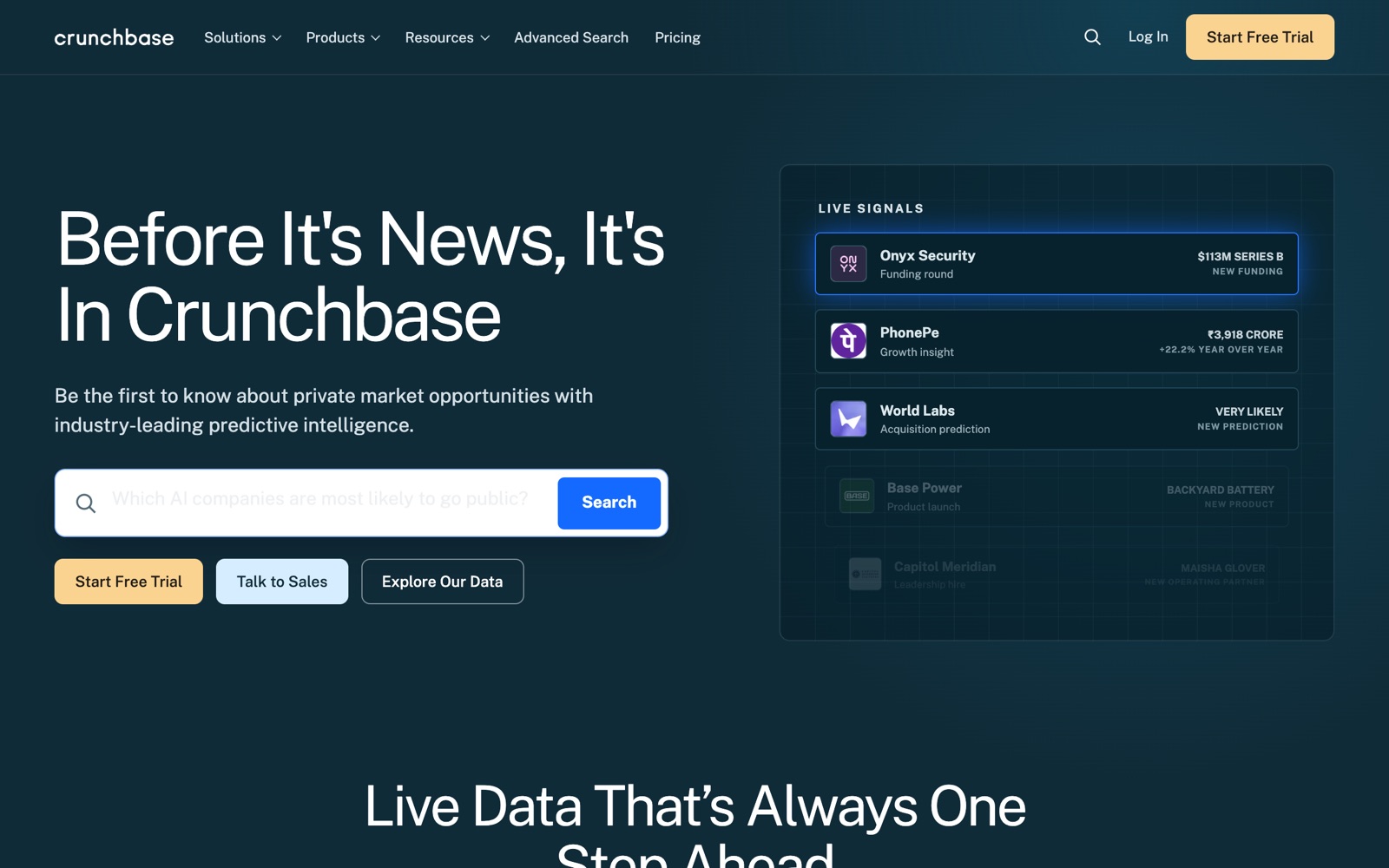
The role of data in 2026 can’t be overstated. Crunchbase helps you research investors’ track records, funding activity, and focus areas. Combining these insights with your SANDBOX-backed validation ensures you approach the right angels with a compelling pitch.
4. Break into Female-Focused Angel Networks
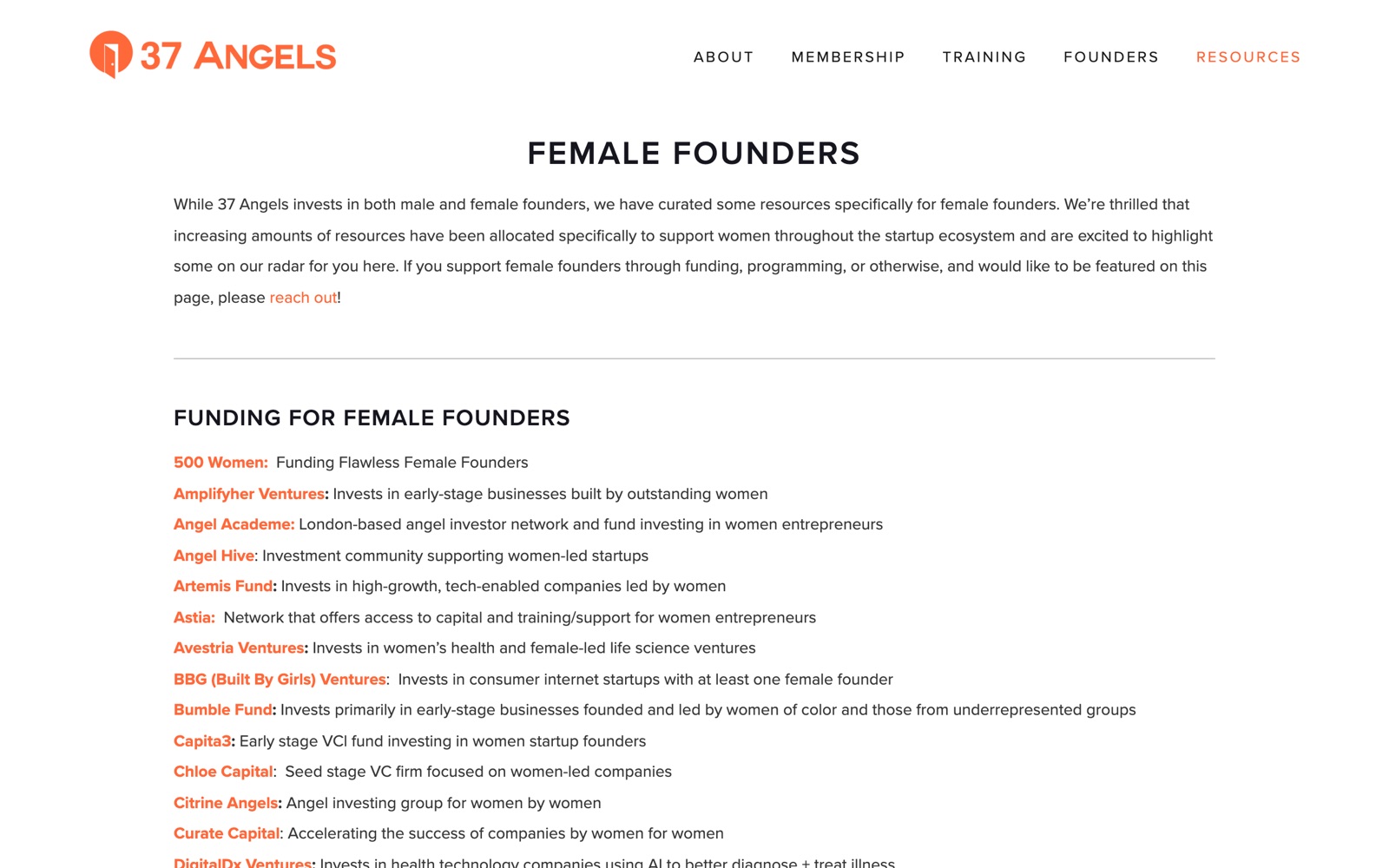
Angel groups like Golden Seeds and 37 Angels prioritize investments in women-led startups. Many of my own mentees have found their first funding through these networks simply because it removes a layer of bias inherent in traditional structures. Check out 37 Angels’ resources to connect directly with investor networks that are rooting for your success.
Expert Tips to Master Your Pitch
Tip #1: Start Smart with a Pre-Validated Idea
Investors - especially angels who are writing personal checks - love founders who do their homework. Use SANDBOX not just to validate your concept but to test your pitch. SANDBOX allows you to identify weak areas and fix them before confronting investors.
Tip #2: Personalize Your Outreach
Celine Halioua’s journey to securing $11 million centered around targeting the right VCs and angel investors. Her hit rate of 11% - a strong number in the funding world - came from customized outreach. Instead of sending generic emails, take the time to research and connect with each investor’s motivations, portfolio, and passions.
Tip #3: Always Be Prepared with Data
In 2026, angel investors expect founders to wear their "Chief Data Officer" hat. Bring insights on your total addressable market, customer acquisition cost, and lifetime value - all key metrics SANDBOX helps you build and refine.
A Case Worth Sharing: Creating Emotional Resonance in Your Pitch
One female founder from the Fe/male Switch community recently secured €500,000 in angel funding after failing in her first eight attempts. What changed? She began using SANDBOX to validate her customer problem deeply, worked with PlayPal to refine the emotional storytelling in her pitch, and practiced pitching directly to her community before going back into investor meetings. Angels, impressed with her preparation and ownership, flocked to invest.
Common Mistakes and How to Prevent Them
Mistake #1: Overlooking Validation
Angel investors aren’t venture capitalists but convincing them requires similar levels of rigor. Don’t skip detailed problem validation - use SANDBOX for this early.
Mistake #2: Forgetting to Build Relationships FIRST
Approaching investors cold is rarely effective. Networking is 2026’s most underestimated skill. LinkedIn or female founder-focused communities such as Female Founder Collective can help you build investor relationships long before you pitch.
Mistake #3: Being Unprepared During Q&A
The hardest part of any pitch? The investor's questions. Practice answering tough "what if" scenarios with your PlayPal assistant and SANDBOX simulations.
How SANDBOX Transforms the Startup Game in 2026
As someone who works closely with founders, I’ve seen SANDBOX emerging as the ultimate secret weapon. The reason it stands out? Its iterative design allows solo founders to fail, learn, and rebuild within a safe environment before facing the high-stakes reality of investor meetings. PlayPal’s AI capabilities ensure that founders don’t feel alone, acting as both a co-founder and first-line mentor.
Conclusion: Your Roadmap to Angel Investment Success
In summary, here are your key steps to attract angel investors effectively in 2026:
- Start with Validation: Begin with SANDBOX and PlayPal (Fe/male Switch) to refine your ideas, audience, and pitch.
- Research Strategically: Use Crunchbase to target investors with clear alignment, then check which of them run a fund or syndicate on AngelList.
- Leverage Female Networks: Connect with female-focused angel syndicates like 37 Angels or Golden Seeds.
- Prepare Your Data: Let the numbers speak for your startup’s stability and growth potential.
- Perfect Your Pitch: Refine your story, fix the gaps, and practice using SANDBOX.
Being a solo female founder may come with its share of unique challenges, but armed with the right tools, strategies, and a willingness to turn obstacles into assets, funding opportunities will become attainable. My advice? Make AI and community your co-pilots. Ready to get started? Explore SANDBOX and PlayPal to take the entrepreneurial first step that angels can’t ignore!
Validate your business idea in the Fe/male Switch Sandbox! Test, experiment, and pivot your way to success, all in a risk-free environment with an AI Co-Founder.
FAQ on Approaching Angel Investors as a Solo Female Founder
1. What are the key challenges solo female founders face when approaching angel investors?
The biggest challenges include underrepresentation, bias in the funding space, and limited networks of female investors compared to traditional structures. Angel networks like 37 Angels and Golden Seeds aim to address these challenges by investing in women-led startups. Learn more about 37 Angels
2. How can networking help secure angel investors?
Networking is crucial for connecting with investors who align with your startup values. Organizations like EBAN provide focused tools for building these relationships, and many angel syndicates and small venture funds run their deals on AngelList. Visit AngelList | Visit EBAN's guidebook on angel networks
3. What tools are available to validate my startup before pitching?
SANDBOX by Fe/male Switch helps founders systematically validate ideas, refine customer insights, and create investor-ready pitch decks. Tools like Crunchbase also allow you to track angel investor trends to make informed decisions. Explore SANDBOX | Discover Crunchbase
4. Are there resources specifically for female founders?
Yes, organizations like the Female Founder Collective and 37 Angels offer workshops, funding support, and community investing networks that empower female entrepreneurs to succeed. Learn more about the Female Founder Collective
5. How can storytelling improve my pitch to investors?
Emotional resonance and storytelling can significantly impact your investor pitch. Refining your message and practicing with platforms like SANDBOX, where you can simulate investor Q&As, will prepare you thoroughly.
6. Is there a recommended strategy for targeting angel investors?
Yes, Crunchbase lets founders filter investors by industry focus, funding history, and investment patterns, and AngelList is where many syndicate leads and fund managers run their deals. Additionally, personalized outreach - understanding the passions and priorities of each investor - can greatly improve success rates. Visit AngelList | Discover Crunchbase
7. Can I use AI to write SEO-optimized articles that help my brand grow?
Most business owners don't understand how SEO works, let alone how to use AI for writing blog articles. That's why for busy business owners there's a great free tool that doesn't require much knowledge. Write articles for free
8. What role does bias play in angel investing?
Bias can result in discrepancies in funding, with only 2.4% of venture capital going to women-led startups. However, female-focused angel networks and syndicates like those promoted by 37 Angels help reduce such barriers. Learn more about 37 Angels
9. How important is preparation before investor meetings?
Preparation is critical, including validating your idea with tools like SANDBOX, creating a proof-based pitch deck, and practicing responses to tough investor questions.
10. Are there opportunities for women to become angel investors themselves?
Yes, organizations like The 10th House and Female Founder Collective empower women to start angel investing, even with as little as $5,000. This fosters community-led funding for female-led startups. Learn more about The 10th House
About the Author
Violetta Bonenkamp, also known as MeanCEO, is an experienced startup founder with an impressive educational background including an MBA and four other higher education degrees. She has over 20 years of work experience across multiple countries, including 5 years as a solopreneur and serial entrepreneur.
